Author
Bowtie Team
Updated on
2025-08-07
Disclaimer: This article is translated with the assistance of AI.
From a meteorological perspective, dampness refers to air humidity, or the water vapor content in the air. Spring and summer are the best seasons to experience dampness. In southern climates that are humid, or in places like mountains or seaside areas with heavy mist, on high-humidity days, your skin often feels sticky and moist—this is external dampness.
“Ingested into the stomach, it overflows with essence and qi, transported upward to the spleen, where spleen qi disperses the essence, returning upward to the lungs, regulating the water passages, and transporting downward to the bladder, distributing water essence throughout, flowing in harmony with the five channels.” Bodily fluids are formed from the essence of food and water absorbed by the spleen and stomach, regulated by the lungs, and then distributed throughout the body via the triple burner pathways.
After distribution, the fluids are transported downward to the kidneys, where they are separated: the clear part recirculates in the body, while the turbid part becomes urine, transported to the bladder and excreted. In a balanced state of fluid metabolism, dampness nourishes and dissipates heat, naturally retreating on its own. It’s like nature’s seasonal cycle—rainy springs and summers nurture life, dry autumns and winters bring harvest, cycling endlessly to sustain vitality.
However, if dietary habits are imbalanced, such as excessive alcohol consumption, preference for spicy, stimulating, heavy, or greasy foods, prolonged sitting with lack of exercise, or weakened spleen and stomach functions, the transformation and distribution of food essence are impaired. It’s like endless rainy seasons inside the body, with blocked channels unable to expel dirty, toxic substances, preventing clean water from flowing into reservoirs for storage, resulting in a pathological state where dampness and turbidity linger throughout the body.
In this article, a TCM practitioner will introduce 5 methods to “remove dampness” and debunk some common questions and misconceptions!
【Ingredients】: Codonopsis 20g, Atractylodes 20g, Poria 30g, Jujube (black jujube/ red jujube ) 5 pieces, Chinese yam/fresh iron stick yam 40g, lotus seeds 20g, white hyacinth beans 15g, coix seeds 30g, adzuki beans 20g, lean meat/ribs 500g (serves 3)
【Method】: Rinse all ingredients, pit the jujubes, blanch the pork and set aside. Place all ingredients in a pot, add 1.5 liters of cold water, bring to a boil over high heat, then reduce to medium-low and simmer for 1.5 hours. Skim off foam, add salt to taste, turn off heat, let stand for 10 minutes, and serve.
Note: Wear gloves when handling fresh yam to avoid skin irritation.
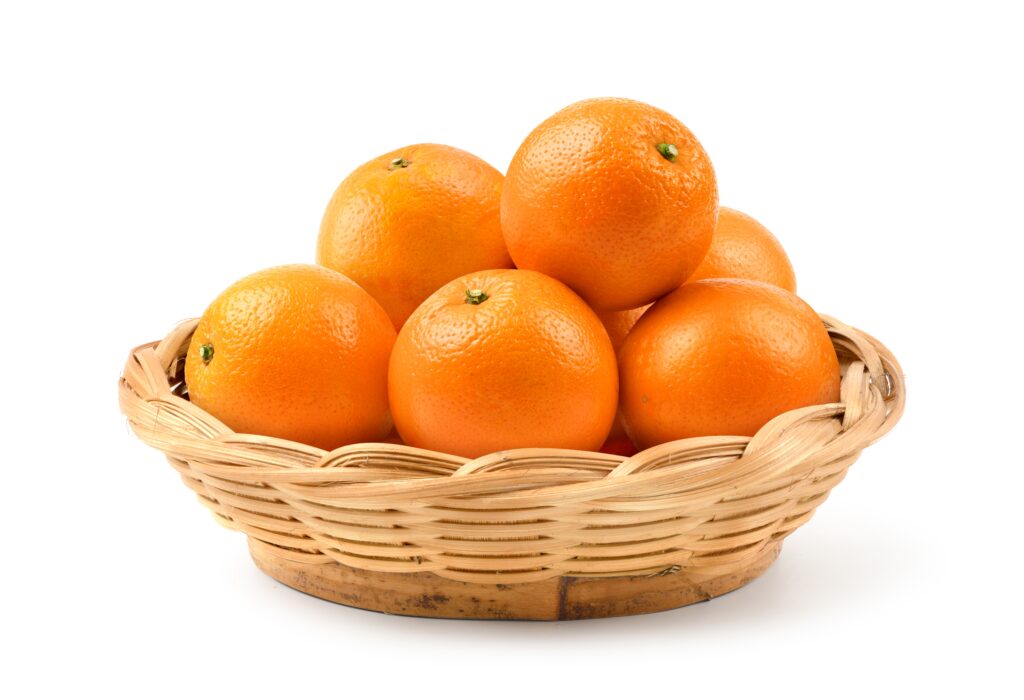
【Ingredients】: Tangerine peel 10g, lotus leaf 6g
【Method】: Place both in a teapot, add 350-500ml boiling water, steep for 10 minutes, and drink as tea.
【Ingredients】: 1 Tanba black bean tea bag, 1 Japanese barley tea bag
【Method】: Add to 1 liter of boiling water, simmer on low for 15 minutes, pour into a container, and drink 300-500ml each time.
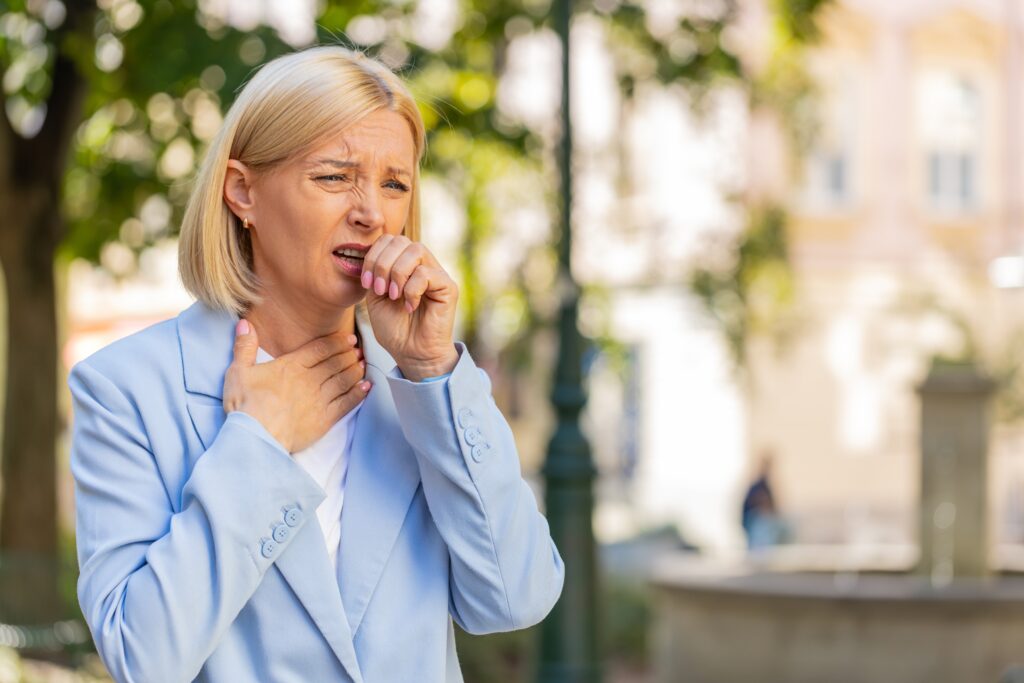
Excessive dampness can leave you feeling tired even after waking up, with heavy, aching limbs and joints, and a stuffy, heavy head. You might often feel like there’s phlegm in your throat, or experience itchy rashes on the skin, sometimes with oozing.
Women may notice increased vaginal discharge, possibly with odor or itching. Appetite could be poor, or you might crave heavy flavors and sweets. You feel thirsty but don’t want to drink water. Stools may feel incomplete, loose and sticky, clinging to the toilet with a foul smell. Urine might be dark and cloudy. The tongue coating could be thick and greasy, with a bland or bitter taste in the mouth.
If your body stays in a state of heavy dampness for too long, it can easily lead to various issues like allergies, eczema, athlete’s foot, joint pain, vaginal discharge problems, irregular periods, vaginitis, obesity, swelling, poor bowel movements, and even sexual dysfunction. Over time, it might contribute to fatty liver, asthma, high blood pressure, cardiovascular diseases, or even malignant tumors.
Exercise can boost your metabolism and help maintain normal fluid balance in the body. Strength training, jumping rope, yoga, and HIIT (high-intensity interval training) are all great options.
Do 4 sets of each move, with 10–20 reps per set. Gradually increase the reps, resting 1–3 minutes between sets. Aim for a light sweat— that’s the sweet spot!
A TCM practitioner can tailor treatments to your constitution using Chinese herbs , acupuncture , cupping , moxibustion, or ear acupuncture. These can help expel dampness, improve your internal environment, and restore fluid metabolism balance.
Bowtie & JP Health Health Centre provides comprehensive medical services to customers, including Chinese medicine outpatient services. Call 3169 2269, or click here to book clinic services !

© 2026 Bowtie Life Insurance Company Limited. All rights reserved.