Author
Bowtie Team
Updated on
2025-08-01
Disclaimer: This article is translated with the assistance of AI.
The human body has at least 365 acupuncture points, which are key areas where meridian qi and blood gather, infuse, or pass through on the body’s surface. These points serve as reactive zones connected to internal organs via meridians. Based on a solid understanding of anatomy, Chinese medicine practitioners use acupuncture to stimulate these points, regulating bodily functions to achieve therapeutic effects.
By stimulating acupuncture points, such as abdominal acupuncture combined with mild electrical currents from an electro-acupuncture device, it can unblock meridians and qi-blood flow, regulate the functions of the five organs and six viscera, stimulate muscle activity, aid in metabolizing toxins and dispelling dampness, and reduce appetite. Paired with a balanced diet, this effectively controls weight and achieves slimming and body-shaping results.
Many people suffer from the itching of eczema. During flare-ups, acupuncture, bloodletting, and cupping can relieve the itch. In remission periods, acupuncture combined with long-term internal Chinese herbal medicine can effectively reduce the scope, frequency, and intensity of outbreaks, as well as allergic reactions.
As the saying goes, “What is inside reflects on the outside.” Balancing the body’s internal harmony naturally improves complexion and physique. Local facial acupuncture can effectively tighten skin and reduce wrinkles.
Acupuncture relieves pain, relaxes muscles and fascia, and resolves tissue adhesions. Scientifically, it works through the “Gate Control Theory” and “Endorphin Theory.” When acupuncture stimulates nerves, it occupies the pathways, blocking pain signals from reaching the brain. The sensations of soreness, numbness, swelling, or pain during treatment—known as “de qi”—act as barriers to pain. The stimulation also prompts the brain to release endorphins for pain relief.
Learn How Acupuncture Relieves Sciatica!
Some people experience stomach discomfort from Chinese herbs. Acupuncture at nearby points, like abdominal ones, directly stimulates and improves intestinal motility. From a meridian perspective, it clears qi in the liver, gallbladder, spleen, and stomach, effectively alleviating indigestion, diarrhea, constipation, and other gastrointestinal issues.
Acupuncture calms the mind by stimulating key points. In a large clinical trial with 180 participants, points like Baihui, Shenting, Sishencong, Shenmen, and Sanyinjiao were needled for 6 weeks. Results showed improved sleep quality and daytime function. Shenmen point interacts with the GABA pathway, inhibiting central nervous system activity and influencing melatonin levels in the brain.
Stimulating head points with acupuncture awakens the mind, relieves depression, calms the spirit, and clears stagnant qi and blood. Combined with electro-acupuncture, it boosts serotonin secretion, easing depression symptoms, promoting relaxation, and improving mood and sleep quality.
Modern research shows acupuncture improves brain oxygen metabolism, increases cerebral blood flow and glucose supply, protects central neurons, and reduces neuronal death. By altering peripheral inputs, it promotes cortical plasticity, activates inherent neural pathways, lowers disability rates, and aids recovery in stroke patients.
Acupuncture complements Western cancer treatments by relieving pain and side effects. U.S. studies found it significantly reduces pain in breast cancer patients on hormone therapy, helping them continue treatment and improve survival rates.
I’ve treated a woman post-colorectal cancer surgery and chemotherapy who felt exhausted, weak-limbed, short of breath, and had disrupted bowel function. Without Western meds, just acupuncture and moxibustion improved her bowel movements and energy levels. After weekly sessions, her complexion and pulse improved noticeably, and she reported better breathing during speech and smoother bowels.
Can Acupuncture Help with Weight Loss? Check out the principles behind it now!
To avoid fainting, patients should not undergo acupuncture when hungry, overly full, tense, extremely angry, after staying up all night, drinking alcohol, exercising, or feeling excessively fatigued. It’s advisable to empty the bladder first and wear loose clothing for easy access during treatment. Before the session, sit and rest for 5 minutes to relax the body and stabilize emotions for better results and to prevent needle fainting.
During the session, maintain a comfortable position and avoid changing posture to prevent bending or breaking the needle. Those with mobility issues should have a caregiver nearby for assistance. You may feel sensations like soreness, numbness, swelling, pain, electric shocks, or an ant-crawling feeling at the treatment site—these are normal responses. If the pain or electric sensation becomes unbearable, communicate with the Chinese medicine practitioner to adjust the intensity. If you experience dizziness, nausea, cold sweats, palpitations, blurred vision, or breathing difficulties (signs of needle fainting), inform the practitioner or medical staff immediately.
After removing the needles, any subcutaneous bleeding or bruising will naturally absorb and fade—no need to worry. For 1-2 days, there might be lingering pain or local bruising at the needle sites, which is normal. You can resume normal activities like bathing, working, labor, or exercising. Depending on your constitution and age, younger and stronger individuals may see significant improvement after 1-2 sessions, while elderly or frail patients may need consistent treatment for lasting benefits.
For pain conditions, acupuncture can significantly restore skeletal muscle contraction proteins. Rest is key; once recovered, start with light activities and gradually increase to prevent repeated muscle injury.
For symptoms like lower back pain triggered by cold, keep warm after acupuncture to prevent recurrence.
Local acupoints may feel painful after treatment, known in Chinese medicine as residual needle sensation. This often occurs when muscles remain tense after stimulation, compressing nearby nerves. It usually subsides in 1-2 days or a week; apply warm compresses for relief. When addressing adhesions, the practitioner’s needling technique releases them, and pain from tissue repair is normal.
Depending on constitution, age, and condition, acupuncture adjusts qi, blood, yin, and yang, which may cause some to feel unusually tired, sweaty, have diarrhea, or experience joint and muscle soreness. These are normal detox reactions—drink plenty of water and rest to help restore balance.
Needles are typically left in for 30 minutes. For those with weaker constitutions or elderly patients with deficient qi and blood, slower circulation suggests leaving them for 45 minutes to 1 hour.
Actual duration varies by condition, constitution, age, and treatment course. For gynecological issues, continuous treatment for at least 3 menstrual cycles with at least 2 sessions per week is recommended. For gastrointestinal problems (like constipation), treat for 1 month with at least 3 sessions per week. Consult your Chinese medicine practitioner for specifics.
Market rates for acupuncture are around HK$400. Bowtie & JP Health offers on-site Chinese medicine practitioners for acupuncture, suitable for internal medicine, dermatology, gynecology, mental health, gastrointestinal, musculoskeletal, weight management, and sleep issues. Physiotherapists also provide acupuncture and physical therapy for muscle and bone pain.
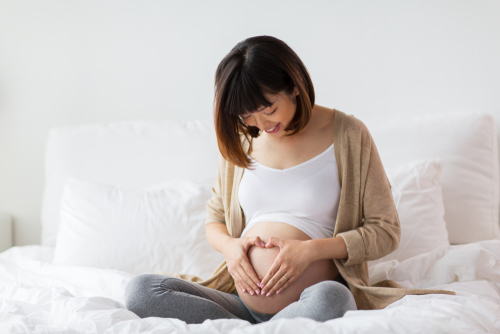
Those with extreme needle phobia, highly unstable mental states, blood clotting disorders, or under 3 months pregnant should avoid needling below the navel. For pregnancies over 3 months, avoid points in the lower abdomen or lumbosacral area that could cause uterine contractions. Infants under 1 year should not receive acupuncture unless necessary.
Yes, you can shower as usual after acupuncture.
In addition to registered Chinese medicine practitioners, physiotherapists who have completed acupuncture courses and obtained a diploma can also perform acupuncture on patients.

© 2026 Bowtie Life Insurance Company Limited. All rights reserved.