Author
Bowtie Team
Updated on
2025-08-05
Disclaimer: This article is translated with the assistance of AI.
Acid reflux is a super common urban ailment in Hong Kong. According to the Hong Kong Society of Gastrointestinal Motility, a recent local study shows that the incidence of acid reflux here surged by 39% in just six years from 2011 to 2017. Even more eye-opening: out of every four patients, three didn’t even realize they had it. So, what are the symptoms of acid reflux? What causes it? And what happens if it keeps getting worse?
Acid reflux, also known as gastroesophageal reflux disease (GERD), is a common digestive disorder. The lower esophageal sphincter is the muscle that connects the esophagus to the stomach. Normally, this sphincter closes after food enters the stomach, preventing food and stomach acid from flowing back into the esophagus. If the lower esophageal sphincter relaxes abnormally, stomach acid can reflux into the esophagus.
The esophageal lining is quite delicate, so when acid refluxes, it can cause chest burning, difficulty swallowing, and other symptoms. The acid might even irritate the throat, leading to repeated inflammation. Symptoms often flare up after meals and can be worse at bedtime, as lying flat makes it easier for acid to flow back. The most common symptoms include:
Acid reflux might also trigger these symptoms:
If you notice these signs, see a doctor pronto to avoid it turning into something more serious.
Acid reflux has many causes, some tied to bad eating habits. These factors can make the esophageal sphincter more likely to relax:
In fact, other health issues, such as hiatal hernia , can significantly boost the risk of acid reflux. More importantly, acid reflux can be a symptom of stomach cancer. Stomach cancer can block food from passing from the stomach to the duodenum, causing food to reflux into the esophagus and leading to acid reflux.
Acid reflux symptoms can mimic stomach pain and indigestion , so it’s easy for folks to mix them up. To ease bloating discomfort, the stomach occasionally burps gas back into the esophagus, which might feel like acid acting up—but that’s not true acid reflux.
For an accurate diagnosis and treatment, doctors typically arrange these three tests:
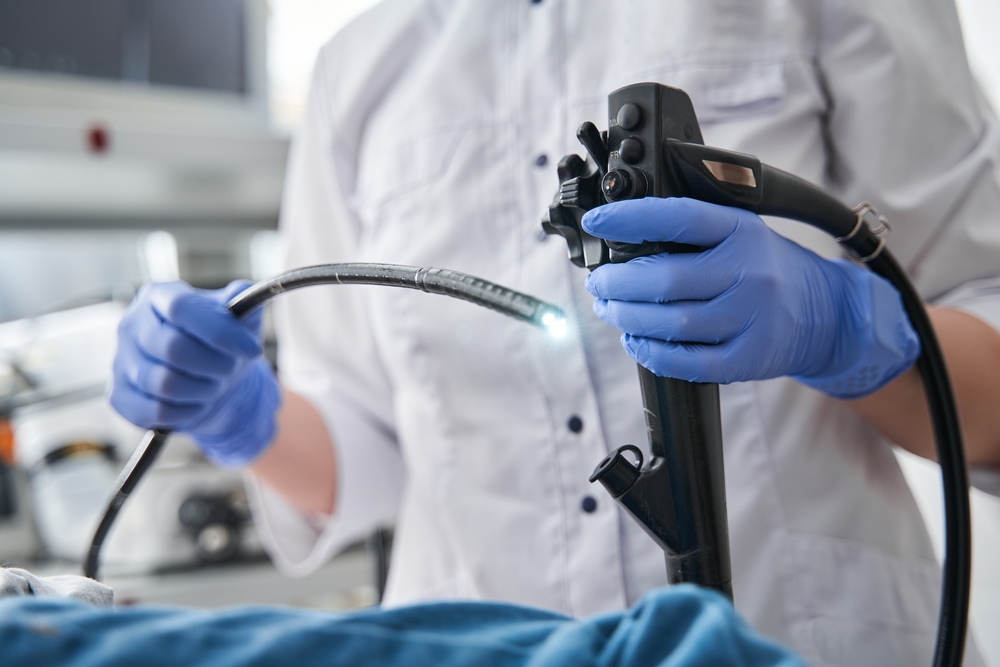
The doctor will first take a detailed history, understanding your medical background and scouting for any symptoms possibly caused by acid reflux, along with their severity. Then, they’ll schedule an endoscopy (commonly called gastroscopy) to check for hiatal hernia, inflammation at the base of the esophagus, Barrett’s esophagus, and other stomach issues like gastric ulcers , pyloric stenosis, stomach tumors, or stomach cancer.
This test is essential. It involves inserting a pH probe through the nose into the esophagus, positioned 5 cm above the lower esophageal sphincter, to record acid reflux episodes over a day. The new wireless probes eliminate connecting tubes and can be placed during gastroscopy, minimizing discomfort. This method can collect up to 96 hours of data, providing super useful info for treating acid reflux.
This common test helps pinpoint the cause of acid reflux. Causes vary—it could be loss of esophageal motility or achalasia. Patients with achalasia also experience chest pain and swallowing difficulties, but their treatment differs completely from acid reflux patients.
The causes of acid reflux vary from person to person. Patients can try keeping a record of their daily diet and the times when acid reflux occurs to identify triggering lifestyle habits and avoid them.
Doctors can also alleviate the discomfort and symptoms of acid reflux based on the patient’s condition, using medications or even surgery:
This includes antacids, acid neutralizers, proton pump inhibitors, etc., which can effectively suppress acid secretion, reduce inflammation and ulcers. Treatment typically takes about 8 to 12 weeks.
Surgery to tighten the lower esophageal sphincter to increase resistance at the lower end of the esophagus.
Acid reflux is a recurrent and long-term condition . It requires thorough consultation, gastroscopy, esophageal motility and acid tests for accurate diagnosis. Finding the root cause, treating it accordingly, and adopting good daily habits can effectively relieve it and reduce recurrence chances.
As the saying goes, “treat the root cause first.” To prevent acid reflux, start by improving poor eating habits, avoiding irritating foods, and cultivating healthy lifestyle habits in various ways:
The esophageal mucosa is very fragile. Prolonged exposure to stomach acid can lead to esophageal inflammation, ulcers, bleeding, causing esophagitis or laryngitis. In severe cases, it may lead to precancerous changes and esophageal cancer.
Long-term acid reflux can also develop into Barrett’s esophagus, where the esophageal lining cells mutate into columnar cells due to chronic acid irritation—a type of precancerous condition. Patients with Barrett’s esophagus have a higher risk of esophageal cancer.
Additionally, long-term acid reflux can be an early symptom of stomach cancer. If symptoms appear, seek medical advice early and improve lifestyle habits!
Dr. Tsui Tsun Miu – Specialist in General Surgery

© 2026 Bowtie Life Insurance Company Limited. All rights reserved.