Endocrinology & Diabetes
Endocrinology & Diabetes
Glycemic Index: What's It For? How to Find Food GI?
Author
Bowtie Team
Updated on
2025-08-22
Disclaimer: This article is translated with the assistance of AI.
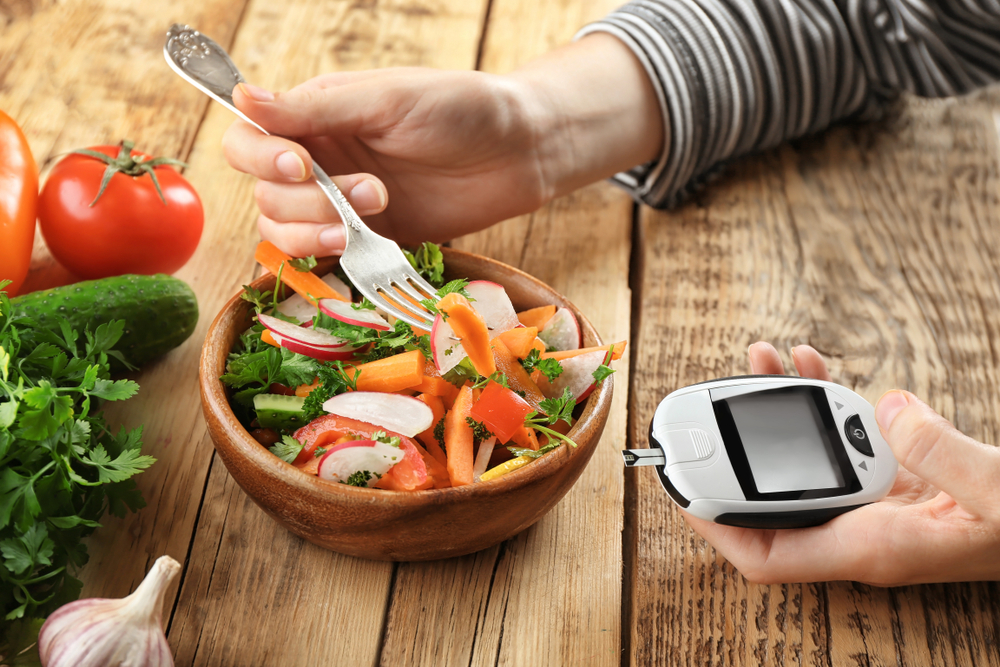
Glycemic Index (GI) is a measure of how foods containing carbohydrates affect your blood sugar levels.
Carbohydrates are converted into glucose during digestion and released into the bloodstream, causing blood sugar to rise. However, the extent of this rise varies depending on the type of carbohydrate, fiber content, and other factors. Simply put, high GI foods are digested more easily, leading to a faster and greater increase in blood sugar. Conversely, low GI foods are converted more slowly, resulting in a slower and smaller rise in blood sugar.
Glycemic Index is particularly important for the dietary management of diabetes patients or individuals with high blood sugar . By understanding how GI works, controlling food portions, and choosing foods with appropriate GI values and cooking methods, blood sugar levels can be managed effectively. This significantly reduces the burden on the pancreas and helps improve related conditions.
According to the guidelines from the Hong Kong Diabetes United , food GI values can be categorized into three levels: low, medium, and high. The higher the GI value, the greater its impact on blood sugar rise.
Adopting a low GI diet slows down glucose conversion, reducing blood sugar spikes and thus more effectively controlling blood sugar levels. This also lowers the risk of diabetes complications. The American Diabetes Association also highlighted the benefits of a low GI diet for diabetes in 2008.
This group is highly suited for a low GI diet. However, it’s important to pay attention to portion control and carbohydrate counting. A balanced diet with regular meals and smaller, more frequent eating is recommended.
Women with Polycystic Ovary Syndrome (PCOS) are five times more likely to develop diabetes than the general population. Therefore, it’s recommended to start a low GI diet at a younger age to manage blood sugar and reduce the risk of gestational diabetes, which can increase the risk of premature birth.
For athletes like marathon runners or climbers, consuming low GI foods before exercise can effectively improve fat-burning efficiency.
The higher the carbohydrate content in a food, the higher its GI value. Comparing sugar and fructose, both carbohydrates, sugar is composed of two glucose molecules, making its GI value approximately three times that of fructose.
Fiber, fat, and protein all require time to digest. Therefore, they have an inverse relationship with the GI value. The higher the content of these three components in a food, the lower its GI value. This means they have less impact on blood sugar spikes in the short term after consumption.
Longer cooking times result in higher GI values. For example, rice cooked for 5 minutes will have a higher GI than rice cooked for only 1 minute. Additionally, smaller particle sizes or greater ripeness of food also lead to higher GI values. For instance, wheat flour has a higher GI than whole wheat, and a ripe banana has a higher GI than an unripe banana.
Here’s a table of common foods and their glycemic index (GI) values, categorized by high, medium, and low GI, as well as food type:
| Low GI (≤55) | Medium GI (56 – 69) | High GI (≥70) |
|
|
|
A low GI value doesn’t mean the food is low in cholesterol or calories. Some high-fat foods also have a low GI value. If you blindly overeat because of the low GI value, it might put a strain on your body.
The shorter the cooking time, the lower the GI value. Additionally, methods like boiling, steaming, and poaching can help lower the GI value. It’s best to avoid deep-frying and thickening with starch.
Don’t make low GI value your sole dietary indicator. Ensure you consume other nutrients and vitamins to avoid nutritional imbalance.
Low GI foods slow down the rise in blood sugar levels, which in turn prolongs the feeling of fullness and helps control appetite. However, not all low GI foods are healthy. Avoid high-fat options, otherwise, it will be difficult to achieve weight loss.
The glycemic index refers to the percentage of the blood sugar response level within 2 hours after consuming 50 grams of carbohydrates compared to 50 grams of glucose. The calculation is as follows:
Glycemic Index = (Area Under the Blood Glucose Response Curve 2 Hours After Consuming 50g Carbohydrates / Area Under the Blood Glucose Response Curve 2 Hours After Consuming 50g Glucose) × 100

© 2026 Bowtie Life Insurance Company Limited. All rights reserved.