Author
Bowtie Team
Updated on
2025-12-29
Disclaimer: This article is translated with the assistance of AI.
Hong Kong law has established requirements for car insurance for vehicles driving on local roads. According to Section 4 of the Motor Vehicles Insurance (Third Party Risks) Ordinance (Chapter 272), all vehicle users (including owners and those permitted by the owner) must purchase third-party insurance for the vehicle to cover bodily injury to third parties caused by accidents—this is a mandatory legal requirement.
If a driver violates this ordinance, they could face a fine of $10,000 and up to 12 months in prison, and their driving license might be suspended for 12 months to 3 years.
The third-party liability insurance commonly available on the market (often shortened to “third-party insurance”) typically covers claims for damage to third-party property or bodily injury, as well as potential legal fees. These plans generally provide up to $100 million in coverage for third-party death or bodily injury (as required by law) and usually include $2 million for third-party property damage.
While third-party insurance offers broader coverage than the minimum legal requirements, just like with any other insurance, it’s wise to pay attention to the actual scope of your policy to protect yourself—don’t assume it’s all covered!
Third-party insurance covers third parties, including passengers in the same vehicle, but it generally doesn’t protect the driver or your own car’s damage. If you want more comprehensive protection, consider opting for comprehensive car insurance, or “full coverage.” This includes protection for your car’s damage, third-party liability, and losses from events like floods, fires, traffic accidents, or theft. Some insurers even offer extras like free towing, windshield replacement, or emergency roadside assistance—though these might come with a higher premium or as add-on fees.
Naturally, since full coverage provides broader protection, its premiums are higher than those for third-party insurance.
To illustrate the difference, let’s look at a real-world scenario: If your car gets flooded or crushed by a fallen tree during a storm, full coverage would likely reimburse you for the repair costs on an actual basis. But with third-party insurance, since it doesn’t cover damage to your own vehicle, you’d be out of luck.
Keep in mind, even with full coverage, policies usually state that the owner must “take all reasonable steps to prevent loss or damage to the insured vehicle.” So, if you’re out driving during a storm without a good reason (like a medical emergency) or park in a high-risk flood area, it could affect your claim’s approval.
Oh, and just a quick note: Strikes, riots, and civil unrest are often excluded from coverage.
There are plenty of insurers offering car insurance in the market, so how do you know which one is the best or most affordable? We’ve got you covered—Bowtie compares the third-party and full coverage plans from 7 insurers, making it easy to compare excess amounts and annual premiums.
For this comparison, we assumed the policyholder is a 30-year-old single man in an accounting office job , with 10 years of driving experience and 60% NCD (no-claims discount). He has no traffic violation points in the last 3 years and no car insurance claims in that time. The insured vehicle is a 2018 BMW 320i sedan with a 1,998cc engine and a market value (insured amount) of $100,000 .
| Insurance Company | Third-Party Property Damage Excess | Third-Party Property Damage Excess
(Young Driver) |
Third-Party Property Damage Excess
(New Driver) |
Premium/Year |
| Bank of China Group Insurance* | $3,000 👍 | $5,000 👍 | $5,000 👍 | $1,360.92 👍 |
| Asia Insurance* | $5,000 | $5,000 👍 | $5,000 👍 | $1,443.4 |
| Dah Sing Insurance* | $10,000 | $5,000 👍 | $5,000 👍 | $1,546.5 |
| Allianz* | $9,000 | $25,000 | $25,000 | $2,761.54 |
| Bolttech # | $3,000 👍 | $10,000 | $10,000 | $1,897.04 |
| China Ping An Hong Kong # | $7,500 | $20,000 | $20,000 | $1,896 |
| AIG # | $8,000 | $10,000 | $10,000 | $2,027.94 |
| Insurance Company | Own Damage Excess | Theft Loss Excess | Third-Party Property Damage Excess | Third-Party Property Damage Excess
(Young Driver) |
Third-Party Property Damage Excess
(New Driver) |
Premium |
| Bank of China Group Insurance | $5,000 👍 | $5,000 👍 | $3,000 👍 | $5,000 👍 | $5,000 👍 | $3,154.86 |
| Asia Insurance* | $5,000/ 1%^ | $5,000/ 1%^ | $5,000 | $5,000 👍 | $5,000 👍 | $3,093 |
| Dah Sing Insurance* | $7,500/ 1%^ | $7,500/ 1%^ | $10,000 | $5,000 👍 | $5,000 👍 | $3,093 |
| Allianz* | $9,000 | $5,000 👍 | $9,000 | $25,000 | $25,000 | $6,144.53 |
| Bolttech # | $5,000/ 1.5%^ | $7,500/ 3%^ | $3,000 👍 | $10,000 | $10,000 | $3,093 |
| China Ping An Hong Kong # | $10,000 | $5,000 👍 | $10,000 | $10,000 | $10,000 | $2,437 👍 |
| AIG # | $8,000 | $8,000 | $8,000 | $10,000 | $10,000 | $3716.81 |
Even if you buy car insurance, you usually have to pay the excess first when making a claim, with the rest covered by the insurance company. For example, if you claim HK$200,000 for a stolen car and the policy has a theft damage excess of HK$20,000, the insurance company will only pay up to HK$180,000.
Different car insurance policies can have various excesses depending on the situation, and there are many types, such as excess for young drivers, excess for inexperienced drivers, excess for unnamed drivers, or excess for third-party property damage. The amounts can vary significantly, so when comparing policies from different insurance companies, don’t just focus on the premiums—be sure to check the fine print on excesses and other terms.
If you’re insuring as a private car owner and make no claims in a year, you’ll get a discount on renewal the next year. This is a unique car insurance perk called No Claim Discount (NCD) or No Claim Bonus (NCB), with discounts going up to 60%.
It’s worth noting that NCD is tied to the person, not the car—if you’ve driven claim-free for years and sell your car, the new owner won’t benefit from it. On the flip side, when you buy a new car and insure it, you can keep enjoying your NCD, and with proof, you can even carry it over to a new insurance company. Plus, NCD expires within 12 months of your policy ending, so if you don’t get new car insurance within that time, you’ll have to start rebuilding it from scratch.
Generally, insurance companies see younger drivers or those with less driving experience as higher risk because younger folks often have a lower sense of danger compared to middle-aged drivers, and inexperience can lead to more accidents. So, their premiums tend to be higher, or they might face extra excess fees. Some insurers’ online platforms won’t even quote for drivers under 25 or with less than two years of licensing—they’ll need to contact the company directly for a quote.
Your occupation is closely linked to how and where you use your car, so high-risk jobs like construction workers, journalists, or entertainers often come with higher premiums. Think about it—if your car frequently enters construction sites, the chance of an accident goes up.
The car model plays a big role, as it relates to the vehicle’s performance and risk level. For instance, a basic family car versus a high-performance sports car are worlds apart in terms of power and handling. The more powerful the car, the trickier it can be to drive, bumping up the risk and, naturally, the premium.
Older cars generally mean more wear and tear, with parts that might not be as reliable, increasing safety risks. That’s why cars over 10 years old often have noticeably higher premiums, and vehicles over 20 years—those classic rides—might even get rejected for comprehensive coverage.
Insurance companies typically recommend insuring your car for its market value in a comprehensive policy, so the higher the value, the higher the premium.
If you don’t make any claims after insuring, you can build up NCD, which gives you a premium discount on renewal or when you switch policies.
Lastly, it’s worth mentioning that different insurance companies sell policies through various channels, such as their online platforms, direct contact via sales hotlines, or through insurance intermediaries. Quotes can vary, so it’s a good idea to try getting them through different methods. At the same time, you should carefully compare the coverage, exclusions, premiums, and other details of each policy to choose the one that best suits your needs.
Car insurance’s “third-party” coverage doesn’t protect the driver’s risks, and “comprehensive” coverage might only offer limited medical expenses for the driver. Therefore, all vehicle owners should seriously consider getting health insurance for themselves. In case of an unfortunate accident requiring hospitalization or surgery, you won’t have to foot the bill alone. If you have health insurance*, you can use it to cover medical costs and reduce your out-of-pocket expenses.
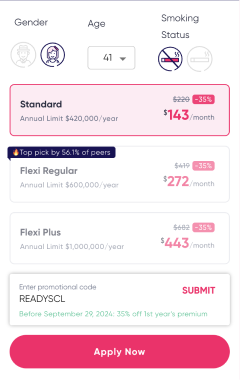
Bowtie Pink VHIS offers several standout features, making it a great health backup for both young people and seniors who enjoy driving or road trips:
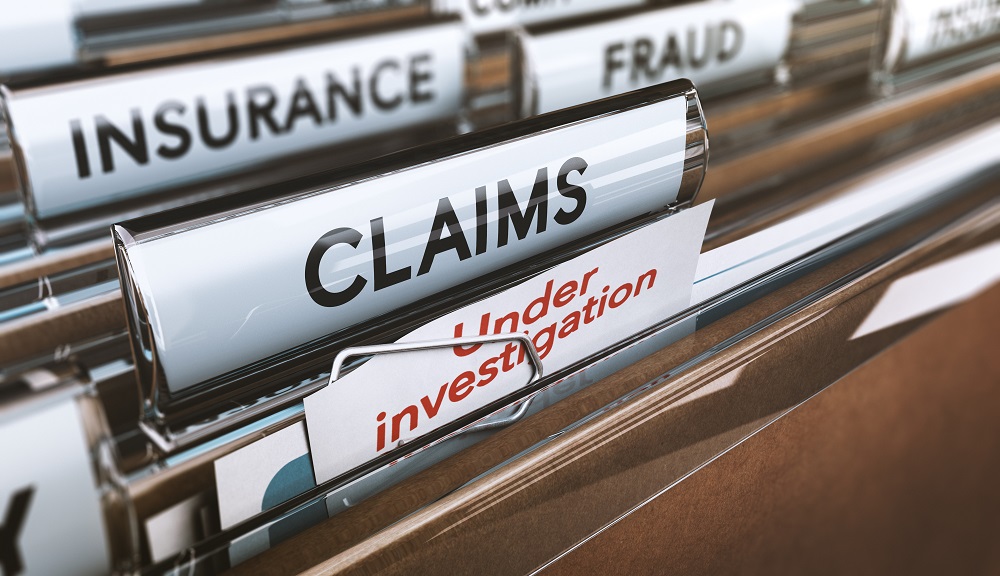
In fact, beyond the general factors that affect premiums, insurers typically review an applicant’s past traffic violations and claims history during underwriting. If the record is poor, the insurer might decline coverage or demand a very high premium. So, one of the most effective ways to lower car insurance premiums is to maintain a clean driving record.
Private car and commercial vehicle insurance differ in several key ways:

© 2026 Bowtie Life Insurance Company Limited. All rights reserved.