Author
Bowtie Team
Updated on
2025-07-10
Disclaimer: This article is translated with the assistance of AI.
First off, they get their hands on a list of potential clients’ contact details. These lists can come from various sources: public phone directories, social media, or even purchased databases. Then, they craft a short but captivating opening pitch, aiming to grab the listener’s attention in just a few seconds. It’s like fishing—they cast out the bait, hoping to hook a big catch.
However, making cold calls isn’t a walk in the park. Imagine trying to sell something to a complete stranger who might not need or want it at all. That takes serious guts and mental resilience. Every insurance agent faces a psychological hurdle when dialing that first number. They must overcome the fear of rejection and keep a positive, upbeat attitude.
When it comes to success rates, cold calling is like casting a wide net into the ocean. You cover a huge area, but the fish you actually catch are few and far between. According to industry estimates, out of 100 calls, maybe only 5 people will be willing to keep talking, and the number who actually sign a policy is even smaller. It’s like sifting through sand on a beach for a speck of gold—you’ve got to filter through heaps of grit to find a single nugget.
So, why do insurance companies still stick to this seemingly inefficient method? The answer is simple: the law of large numbers. Sure, the success rate is low, but if you keep dialing, you’ll eventually get results. It’s like playing the lottery—your odds of winning are slim, but if you keep buying tickets, one day you might hit the jackpot. For insurance companies, even if only a tiny fraction of calls turn into policies, the high value of insurance products makes this approach worthwhile.
That said, cold calling to sell insurance comes with plenty of challenges. First, there’s the legal and ethical line. In Hong Kong, telemarketing is tightly regulated, and improper practices can break the law. Second, there’s customer resentment. Nobody likes getting a sales call in the middle of a busy day, and this can tarnish an insurance company’s reputation. Lastly, it’s tough to explain complex insurance product details over the phone, often leading to misunderstandings. It’s like describing a painting through a wall—hard for the other person to truly get it or appreciate it.
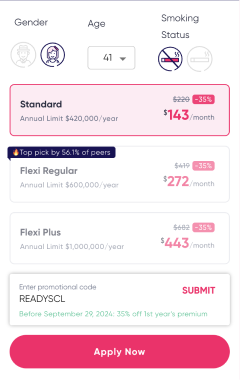
Facing these hurdles, more and more people are turning to the emerging trend of buying insurance online. On digital platforms, customers can freely browse various insurance products, take their time to understand and compare different plans, and make choices based on their own needs. No sales pressure, no time constraints—everything is under your control. This free, flexible, and transparent model is especially popular with the younger generation. Whether it’s midnight or early morning, on the couch at home or in a cozy café, you can buy insurance anytime, anywhere. Not only does this boost efficiency, but it also makes the entire process more enjoyable and stress-free. After all, in this digital age, who doesn’t want a smarter, more convenient, and personalized way of life?

© 2026 Bowtie Life Insurance Company Limited. All rights reserved.