Author
Bowtie Team
Updated on
2025-06-19
Disclaimer: This article is translated with the assistance of AI.
Content Summary
Insurance lapse basically means you’re no longer paying premiums on time, but let’s be clear—this isn’t the best way to handle your policy. In most cases, the policy will still stay active, and lapsing isn’t the same as surrendering it.
Plus, even if you miss the payment deadline, insurance companies usually provide a 1-month or 31-day grace period . Pay up during that window, and your policy keeps going strong.
Since lapsing doesn’t automatically mean your policy is surrendered, you might wonder what actually happens next. If your policy has cash value, it’s often protected by a non-forfeiture clause to prevent you from losing coverage over something like a temporary oversight.
Insurers typically check if there’s any funds in your policy account first. If not, they might use dividends to cover the premium. If dividends fall short, they could tap into a policy loan, but that comes with interest and only lasts for about a year or a set period.
If they still don’t hear from you, based on the policy terms, your original policy could end up in one of these scenarios:
Lapsing or surrendering a policy can affect policyholders in various ways, so let’s break it down into a couple of key areas:
From a policy standpoint, remember that lapsing doesn’t mean it’s automatically canceled—the coverage often stays in place. So, think carefully: Do you still want the protection your policy provides? If yes, you might not need to surrender it. For instance, if job loss or a critical illness is making payments tough, check your policy terms—some include provisions where the insurer helps with premiums during hard times, especially if you added extra riders.
If you’re keen on keeping coverage, chat with your insurer about options that work for you, like using a policy loan for premiums or reducing the coverage amount to lower costs to a manageable level. That way, you don’t lose protection entirely.
If you’ve decided to maintain some coverage, you might end up dipping into the cash value to pay premiums or convert the policy to extended term or reduced paid-up status. But if you no longer need the coverage, it’s smarter to formally surrender and claim the cash value—otherwise, you’re just letting money sit there unused when you could pocket it.
So, if you’ve bought a policy with a savings element, does stopping payments or surrendering mean you’ll lose money for sure? Well, firstly, for savings or investment-linked policies, at the same premium level, the protection component is generally lower than policies without savings or investment elements. That’s why we don’t recommend stopping payments—if you want to cancel, you should just surrender it directly.
Now, about whether surrendering will definitely result in losses, it depends on how long you’ve been paying premiums, as each policy has its own breakeven point. However, it’s certain that if you surrender within the first three years, the chances of losing money are very high, because a large part of the premiums goes toward agent commissions and administrative expenses, with relatively little actually invested.
If you’re thinking of surrendering, it’s a good idea to call your insurance company first. Ask about the guaranteed cash value and what you can expect to get back, then compare that to what you’ve paid so far to see the actual profit or loss.
In general, I wouldn’t suggest surrendering on a whim, especially for investment-linked policies if it’s just due to big losses. Instead of panicking, review your investments and tweak your portfolio—don’t just bail out. However, if your plan’s options are underperforming and fees are sky-high compared to others, surrendering might be worth considering, but always check the specifics first.
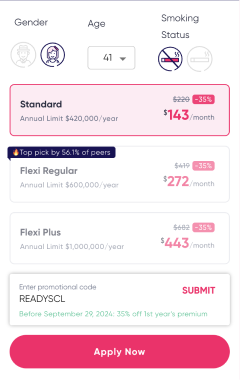
Bowtie Actuarial Team: With Bowtie, it’s all about monthly premiums—think of it like your streaming service for music or TV. Just pay with your credit card each month, and you’re covered right away, no long-term locks. It’s all about freedom and control.
Bowtie Actuarial Team: With traditional savings-based critical illness or life insurance, surrendering early often means you get back less than you’ve paid, which can feel like you’re stuck. But Bowtie keeps it simple with no-savings products, so you get solid coverage at a lower cost. Plus, you can cancel anytime you want, with no strings attached and zero surrender fees—total flexibility!
Of course, insuring is different from subscribing to services; it requires application and underwriting to be insured.

© 2026 Bowtie Life Insurance Company Limited. All rights reserved.