Author
Bowtie Team
Updated on
2025-12-29
Disclaimer: This article is translated with the assistance of AI.
The Canadian government released statistics spanning about 7.5 years, from September 2016 to January 2024. Here’s a breakdown of the injury figures for three winter sports:
| Winter Sports | Injury Figures |
| Luge | 4,376 |
| Ice Skating | 5,164 |
| Skiing (Alpine Skiing and Snowboarding) | 5,434 |
According to research from the U.S. institution Gitnux, skiing results in about 600,000 injury cases of varying severity each year. Overall, the injury rate for skiing is 2 to 3 cases per 1,000 single-day lift tickets, and snowboarders have a 30% higher risk of injury compared to Alpine skiers.
It’s worth noting that terrain parks in ski areas often feature challenging setups, making the chance of serious injury eight times higher than in regular ski areas.
Clinical studies show that the average age of injured skiers is 30.3 years (ranging from 24 to 35.4 years), with the highest risk groups being children/teens and adults over 50. In fact, kids under 10 face a risk that’s nine times higher than those over 20 1 . So, if you’re planning to take your little ones skiing, parents should stay extra vigilant—make sure to follow safety precautions and consider getting insurance just in case.
Based on various international reports, the most common injured areas include:
If skiing unfortunately results in an accident, it could cause the following injuries 4 :
In severe cases, it could even lead to spinal injuries or death.
According to Canadian official data , the top 3 injury types include:
According to Japanese Tourism Bureau’s data , in 2013, only about 300,000 visitors went to Japan for skiing activities, but within just 5 years, the number of skiing tourists surged to nearly 900,000. Although it dropped due to the COVID-19 pandemic starting in 2019, the figures have gradually recovered and even hit a historic high in the 2023-24 skiing season.
Whether travel insurance covers skiing really depends on the specific coverage of that policy. Sure, many options out there claim to include “high-risk activities,” but it’s wise to double-check if skiing falls under that umbrella – you don’t want any surprises on the slopes!
Even if your travel insurance does cover skiing, don’t skip the fine print on the policy details. For instance, some plans only protect leisure or amateur skiing, excluding pro sports or competitions; others might require it to be under an instructor’s guidance for coverage to kick in. Plus, you could face rules like altitude limits, sticking to designated paths, or needing top-notch skiing gear.
All in all, while plenty of travel insurances do include skiing, it’s always a smart move to review the terms before buying to make sure you’re fully protected.
Below is a comparison of medical expenses and hospital cash from some insurance companies:
| Insurance Company | Medical Expenses Coverage | Overseas Hospital Cash Limit |
| F Company | $1,500,000 | $5,000 |
| Z Company | $1,500,000 | $5,000 |
| S Company | $1,500,000 | $5,000 |
| B Company | $1,200,000 | $12,000 |
| A Company | $1,000,000 | $5,000 |
If you’re injured or fall ill during your trip and get treated by a registered doctor overseas, most travel insurance will cover follow-up visits or ongoing treatment for the same issue once you’re back home. However, keep in mind that this only applies within a specified time frame after your return – if the follow-ups happen outside that window, you’re likely out of luck.
Before you buy, also note that insurers often set different coverage limits for accident-related versus illness-related follow-ups, and there might be a cap (like a percentage of your overall medical coverage).
Referring to the insurance companies mentioned earlier, here’s a breakdown of their follow-up visit coverage and the time limits after returning home:
| Insurance Company | Follow-up Coverage for Accidents | Follow-up Coverage for Illnesses | Follow-up Limit After Return |
| F Company | $1,500,000 | $150,000 | Within 90 days |
| Z Company | $1,500,000 | $150,000 | Within 90 days |
| S Company | $750,000 | $75,000 | Within 90 days |
| B Company | $120,000 | $12,000 | Within 90 days |
| A Company | $1,000,000 | $100,000 | Within three months |
Not every travel insurance covers skiing. If you plan to go skiing in Japan, it’s advisable to review your medical insurance to see if it covers overseas medical expenses. Notably, Bowtie Pink offers worldwide coverage (covering immigration and travel) ^ !
^ Bowtie Pink Voluntary Health Insurance Plan’s psychiatric treatment applies only in Hong Kong. Bowtie Pink’s full reimbursement does not apply to hospitals in the US or non-designated hospitals in China. This means that if the insured person immigrates, premiums may be adjusted based on the potential risks of the new region. For more details, please call 3008 8123 to contact Bowtie customer service.
Open Reduction and Internal Fixation is a surgical procedure for treating fractures. According to Statistics , the average cost for this surgery in South Korea is about US$5,500 (approximately HK$43,000) .
In another real case , the injured person was a child who fell in Japan, was taken to the emergency room, confirmed to have a fracture, and underwent surgery with a three-day hospital stay, costing about 778,000 Japanese yen (approximately HK$40,000) .
Based on Google Trends data, Japan and South Korea are the most popular skiing destinations searched by Hong Kong people. If you’re unlucky enough to get injured and hospitalized, language barriers make 24-hour emergency support services crucial!
Even though many products cover medical expenses from skiing accidents, some travel insurance policies only include skiing under specific conditions outlined in their terms. Plus, travel insurance might have limits on follow-up visit costs, so if you need long-term treatment, it won’t fully cover you.
In contrast, voluntary health insurance can fill those gaps left by travel insurance. High-end options even provide full reimbursement and offer long-term protection for your medical needs.
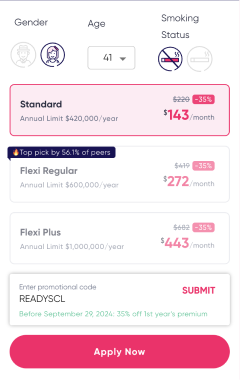
For example, with Bowtie Pink Voluntary Health Insurance , whether you’re a kid or a senior who loves traveling, it can be your reliable health safety net:
Bowtie Pink policyholders can automatically enjoy global emergency support provided by our partner, International SOS (EAHK). When you’re overseas for business or travel and encounter an emergency, simply call +852 2863 5767 to contact the 24-hour emergency assistance center and provide the following details to get help.
The chance of death from skiing accidents isn’t high, at 0.71 per million participants; however, wearing a helmet can reduce this risk by 22% to 60%.
According to American Academy of Orthopaedic Surgeons , building physical fitness, warming up, staying hydrated, mastering skiing techniques, and wearing protective gear like a helmet can all help lower the risk of skiing injuries.

© 2026 Bowtie Life Insurance Company Limited. All rights reserved.