Author
Bowtie Team
Updated on
2025-12-29
Disclaimer: This article is translated with the assistance of AI.
When we rent a car while traveling abroad, the rental company generally explains that if an accident occurs and causes vehicle damage, the customer must bear a certain amount themselves—this is the “excess,” commonly known as the “deductible” or “out-of-pocket fee.” In travel insurance policies, the “excess” coverage for self-drive trips specifically provides protection for this excess amount. Here are some examples to help you understand how this coverage works in practice.
Suppose Mr. A is renting a car abroad for a self-drive trip. Due to heavy rain and poor visibility at night, he has an accident and crashes into a hillside. Thankfully, no one is injured, and there’s no damage to public property or other assets, but the car’s hood and front bumper are damaged. Mr. A immediately reports the incident to the police and obtains an accident report. The next day, when he returns the vehicle to the rental company, they inform him that he must cover the excess for the damage, amounting to HK$4,000.
As mentioned in the examples above, in the event of a traffic accident and vehicle damage, the rental company charges the at-fault customer the “excess” rather than the full repair costs. In fact, major or chain rental companies typically insure the rented vehicles, and the basic rental fee already includes this insurance premium. So, even if the car is a total loss, the customer only needs to pay the specified “excess,” not the full vehicle value, which could run into tens of thousands.
Keep in mind that different rental companies have varying “excess” amounts, which can differ significantly. When renting a car for your trip, be sure to check this carefully and assess whether your travel insurance ‘s “excess” coverage is sufficient.
Beyond vehicle damage compensation, rental companies often set “excess” amounts for “third-party property damage” and “business interruption compensation (NOC),” along with specific limits. However, note that travel insurance generally doesn’t cover these two types of “excess,” so renters must pay attention. Larger rental companies usually offer additional coverage options that eliminate any personal liability after an accident, which you might consider purchasing.
Also, be aware that some independently operated or smaller rental companies may have different insurance and compensation policies than described here. In cases of vehicle damage or total loss, you might be responsible for higher costs, so always understand the company’s policy before renting.
No, travel insurance generally does not cover third-party liabilities arising from self-driving during a trip, such as injuries, fatalities, or property damage caused by traffic accidents (e.g., damage to road signs, barriers, or buildings). Therefore, when renting a car for self-driving, you must confirm if the basic rental fee includes third-party liability insurance for personal injury and property. If not, ask the rental company to add an extra coverage option.
Take TOYOTA Rent a Car, one of the largest and most familiar car rental companies in Japan among Hong Kong people, as an example. The company states that the basic rental fee includes insurance for third-party personal injury and property, vehicle insurance, and coverage for passenger injuries. They also specify an “excess” for business interruption compensation (NOC).
Additionally, they offer optional insurance add-ons that allow customers to waive the “excess” and NOC compensation altogether.
Different insurance companies have varying exclusions for ‘Excess’ coverage. It’s essential to understand these before purchasing a policy. Here are some common exclusions:
Besides ‘Excess’ coverage, when on a self-drive trip abroad, you should also pay attention to the medical and accidental death compensation in travel insurance. Below, we’ve compiled the relevant coverage from 6 popular products on the market:
| Insurance Company | Excess Coverage ($) | Medical and Emergency Support Coverage Limit (HK$) |
| Insurance Company F | $5,000 | Medical total limit: $1,500,000
Return to Hong Kong follow-up limit: $1,500,000 (for accidents) Accidental death compensation: $1,500,000 (for self-drive accidents) |
| Insurance Company BO | $8,000 | Medical total limit: $1,500,000
Return to Hong Kong follow-up limit: $120,000 (for accidents) Accidental death compensation: $2,000,000 (for self-drive accidents) |
| Insurance Company BC | $5,000 | Medical total limit: $1,200,000
Return to Hong Kong follow-up limit: $120,000 (for accidents) Accidental death compensation: $1,200,000 (for self-drive accidents) |
| Insurance Company S | $5,000 | Medical total limit: $1,500,000
Return to Hong Kong follow-up limit: $750,000 (for accidents) Accidental death compensation: $750,000 (for self-drive accidents) |
| Insurance Company Z | $20,000 | Medical total limit: $1,500,000
Return to Hong Kong follow-up limit: $1,500,000 (for accidents) Accidental death compensation: $1,000,000 (for self-drive accidents) |
| Insurance Company C | $5,000 | Medical total limit: $1,000,000
Return to Hong Kong follow-up limit: $100,000 (for accidents) Accidental death compensation: $600,000 (for self-drive accidents) |
Before you hit the road, make sure you have your International Driving Permit (also known as an international driving license) ready. If you’ve already applied for one, double-check that it hasn’t expired (they’re good for just a year). And don’t forget to bring your Hong Kong driving license along for comparison purposes when dealing with rental companies or local authorities.
Keep in mind that travel insurance typically only covers the excess on a rental car and doesn’t include third-party liability. Some policies might not even cover NOC, and the basic insurance from rental companies (included in your rental fee) can vary widely. So, before you drive off, do your homework and decide if you need to add extra coverage from the rental company.
Any pre-existing damage or defects on the rental car aren’t covered, so it’s on you to give it a thorough once-over. If you spot any visible damage or mechanical issues, point them out right away and ask the rental company to note it in the contract. If it’s serious, request a different vehicle to avoid any headaches when you return it.
Traffic rules and regulations can differ greatly from one country or region to another, so brush up on the local driving laws and customs before you go. Once you’re behind the wheel, always follow the rules of the road and steer clear of violations like speeding or drunk driving.
Overseas weather and road conditions can be a far cry from what you’re used to in Hong Kong—for instance, mountain areas might have steep, narrow turns, winter could bring icy or snowy roads, and some routes might lack proper lighting at night. Stay extra alert, drive at a safe speed, and don’t hesitate to seek help if needed. If you’re not confident, it’s smart to bring along a friend with driving experience.
If you get into a traffic accident abroad, no matter who’s at fault or if there’s injury or damage, call the police right away. They’ll handle the follow-up properly, and remember to get a copy of the police report for your records.
If you’re involved in a traffic accident during an overseas self-drive trip and need to make a claim with your insurance company, note that travel insurance usually has a claim submission window of 21 to 30 days. Once you gather the necessary documents, submit your claim as soon as possible.
Overseas hospital stays and surgeries can be incredibly expensive, and if those costs exceed your travel insurance limits , you’ll end up footing the bill yourself. That’s where having health insurance* comes in handy—it can help cover those extra medical expenses and lighten your financial load.
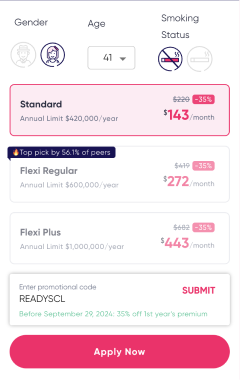
Bowtie Pink VHIS Plan offers multiple selling points, whether for children or seniors, as long as you love to travel, Bowtie Pink can be your health backup:

© 2026 Bowtie Life Insurance Company Limited. All rights reserved.