Author
Bowtie Team
Updated on
2025-08-07
Disclaimer: This article is translated with the assistance of AI.
Like many new parents of kids with G6PD deficiency, the news hit like a bolt from the blue. In the following days, just like this dad, I floated aimlessly in the endless internet world, gobbling up any info on G6PD deficiency without much thought. Finally, I even brought a “Google doctor note” (search results) to the hospital pediatrician and asked one by one, only to get a wry smile and some teasing from the doctor.
Thinking back, the “G6PD questions” I asked were downright nosy: Should I get off the car immediately if I smell white flower oil? Can they eat blue M&M chocolates? Can the kid only wear white clothes?
In fact, with today’s info flow, there’s no shortage of G6PD details online or in “mom groups.” Especially before each new school term, parents share long lists of “G6PD forbidden items” for teachers and schools. Tons of dubious “banned items” not only make parents overly anxious but can also add unnecessary stress to kids, family, friends, and teachers.
To ease the brows of fellow G6PD parents, I’ve consulted many healthcare pros (including doctors, pharmacists, and university pharmacy lecturers) on these scary rumors. Summing up their views, here’s the conclusion.
First off, every G6PD kid has a unique constitution, so it’s hard to blanket-define what’s absolutely safe or dangerous. But we can gauge risks from medical evidence and cases. Parents can refer to this table:
| High Risk – Must Avoid
(Highly likely to cause hemolysis in patients) |
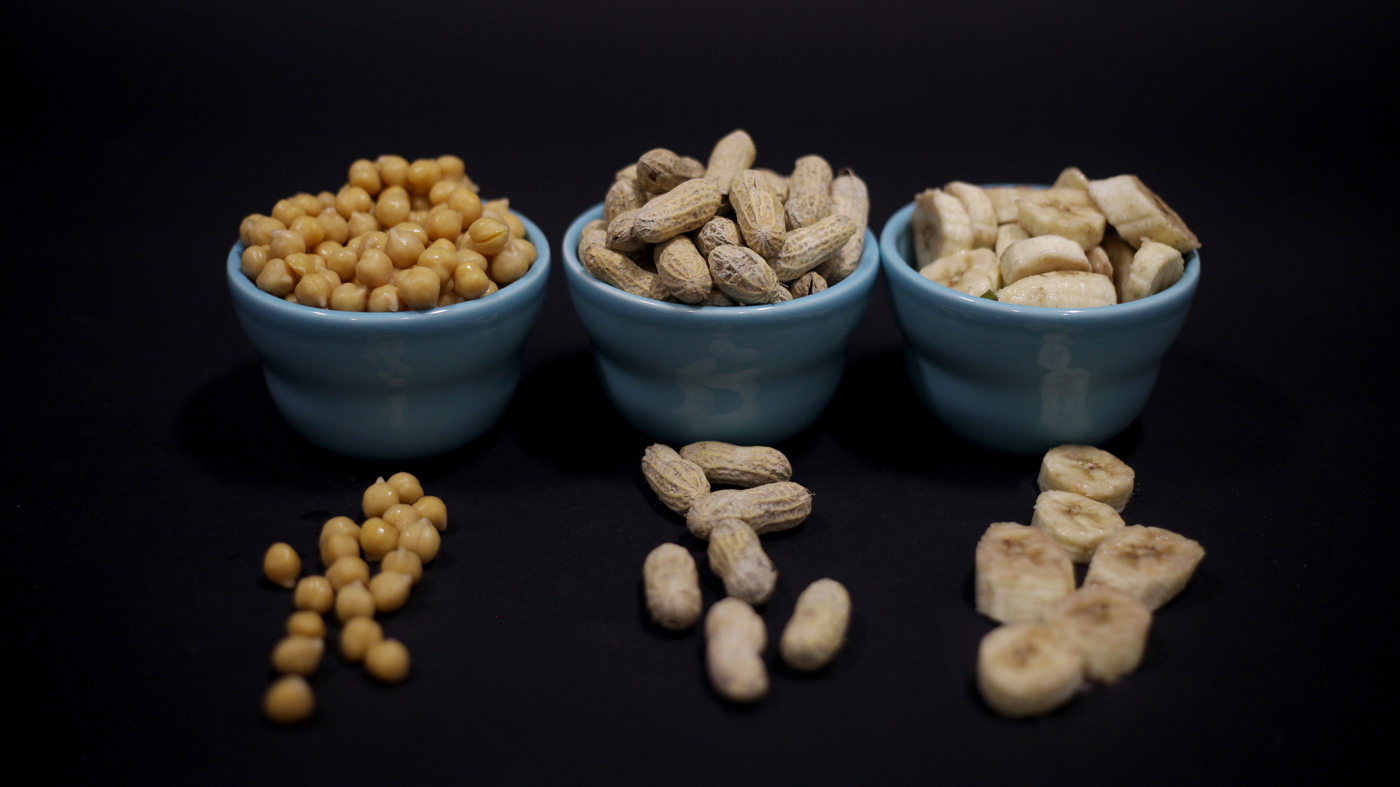
Fava beans, mothballs (Naphthalene) |
| Low Risk
(No actual medical evidence of causing hemolysis yet) |
Mint, pollen, silver sulfadiazine (a sulfa/silver salt antibacterial for burn creams), fenugreek seeds (common spice in Indian curry) |
Next, on whether to dodge even the smell of medicated oil on the street, parents can assess risks by how the body absorbs substances: (from low to high) skin contact > mucosal contact (like eyes, nostrils, or private parts) > inhalation > oral intake > injection.
It’s totally understandable for parents to worry (I’m a worrywart myself), but current medical research shows that the risk of hemolysis from chemicals used by others nearby (like mothballs, medicated oils, mosquito repellents) is extremely low for G6PD patients. Even the Department of Health’s family service script on G6PD states: “There is no evidence that aromatherapy, fabric softeners, mint-containing foods, chamomile tissues and diapers, insect repellents, mosquito coils, or household medicated oils cause hemolysis in G6PD deficiency patients.”
Of course, since every G6PD patient’s condition varies, it’s best to consult a doctor or Chinese medicine practitioner before using any drugs or herbs. But I believe every G6PD parent’s nightmare is if the kid accidentally touches a “forbidden item” and has a hemolytic reaction—what then?
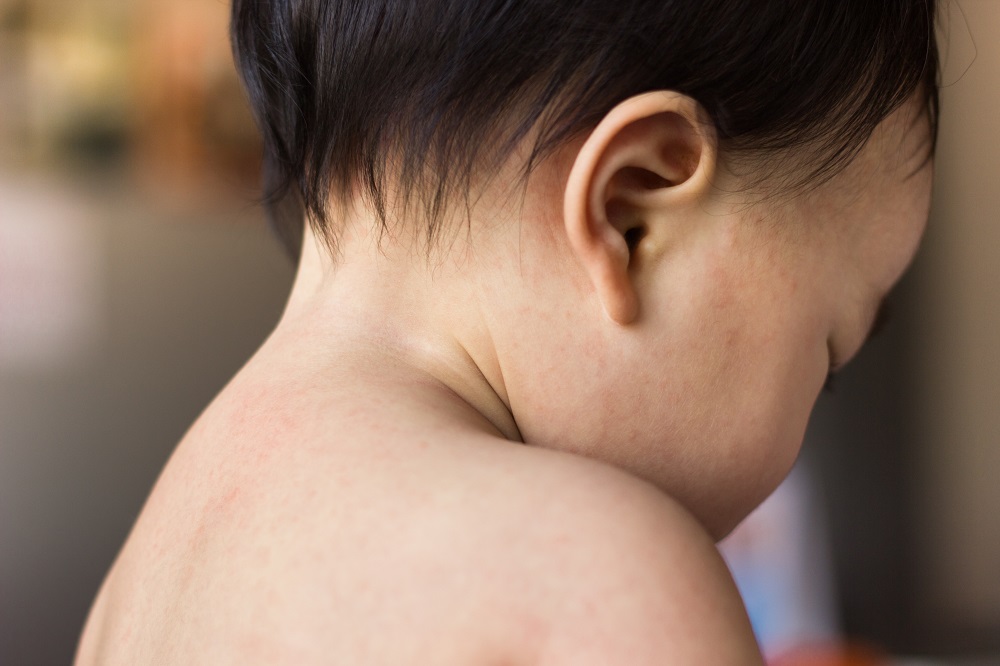
Luckily, my kid hasn’t had any bad reactions so far, but I hope all parents memorize these most obvious G6PD hemolysis symptoms like I did: shortness of breath, feeling unwell, rapid heartbeat, urine turning pale gray or tea-colored.
A friend of mine once “witnessed” his cousin turn pale and faint soon after eating fava beans (the school had to call an ambulance right away), but doctors remind us that these symptoms occur within 24 to 72 hours after contact with “forbidden items.” If symptoms appear or if in doubt, seek help from a doctor or family physician immediately.
Finally, borrowing words from a healthcare pro to comfort parents: G6PD is just a small burden—rest assured, your kid can grow up healthy and normal.

© 2026 Bowtie Life Insurance Company Limited. All rights reserved.