Disclaimer: This article is translated with the assistance of AI.
Renowned singer Khalil Fong passed away in early March 2025 at the age of 41. While the official cause of death hasn’t been disclosed, his previous hospitalizations for pneumothorax—commonly known as a ‘collapsed lung’—have sparked widespread concern about its impact on lung health and overall well-being. What are the warning signs of pneumothorax? Can it be life-threatening? Bowtie breaks down the causes, symptoms, high-risk groups, treatments, and prevention tips to keep you informed and protected.
~Exclusive Blog Offer~
Sales Up To 65% first year premium!
Save up on your first year's premium now until 14 Apr! (Enjoy extra coverage with our wellness package for just HK$100/month in the first year!)
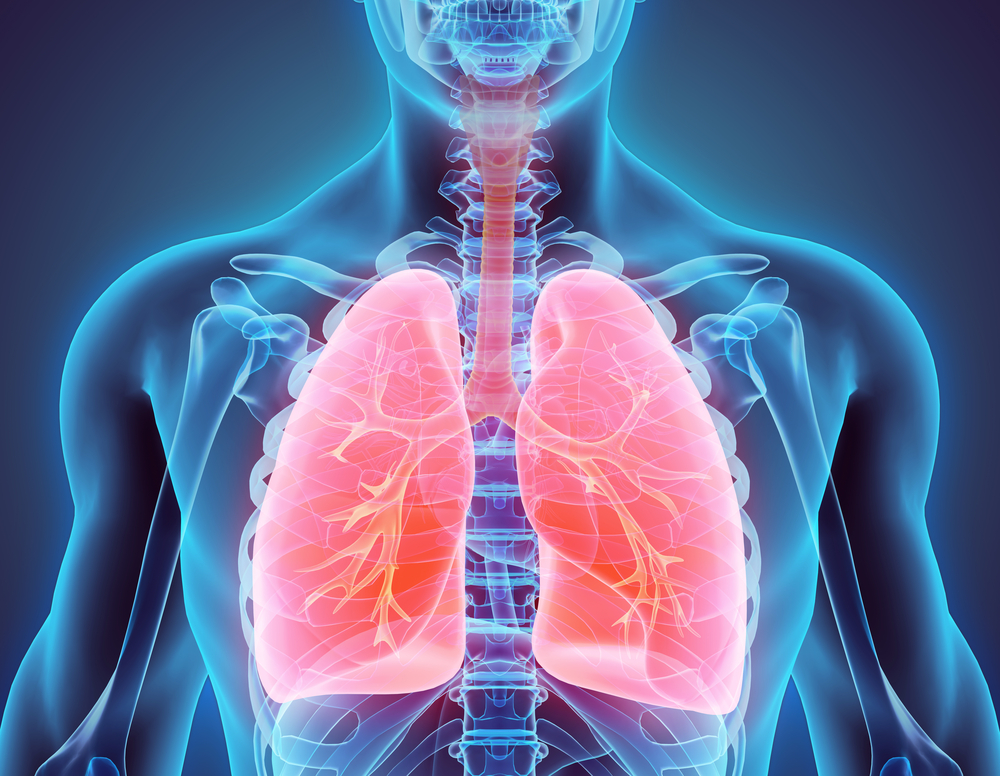
The formal medical term for “burst lung” is pneumothorax, which occurs when there’s a hole in the lung, causing air to leak into the space between the lung membrane and the chest wall.
A healthy lung is like a fully inflated balloon that expands with each breath. But with pneumothorax, it’s like the balloon has a puncture—air escapes and builds up between the balloon (lung) and the outer layer (chest wall).
Pneumothorax can be categorized into four main types:
- Spontaneous Pneumothorax: The most common type, especially among young, tall, slim males. It may be linked to rapid growth during puberty, where lung tissue doesn’t keep up, making air sacs more fragile.
- Traumatic Pneumothorax: Caused by external chest injuries, such as car accidents , stab wounds, or gunshots, directly damaging and rupturing the lung.
- Secondary Pneumothorax: Occurs in people with existing lung conditions like emphysema, pulmonary fibrosis, or tuberculosis, which weaken lung tissue and make it prone to rupture.
- Iatrogenic Pneumothorax: A side effect of medical procedures, such as lung surgery or chest punctures, which can occasionally cause accidental pneumothorax.
Symptoms of pneumothorax vary from person to person and can range from mild to life-threatening. Mild cases might be subtle, but severe ones demand urgent attention. Here are the common signs:
- Sudden Chest Pain: Sharp, stabbing pain like being pierced by a knife.
- Shortness of Breath: Feeling like you can’t catch your breath, as if you’ve just run a marathon—even without any activity.
- Dry Cough: Persistent coughing without phlegm or other secretions.
- Rapid Heartbeat and Dizziness: In severe cases, you might experience palpitations, dizziness, or even shock.
If you notice these symptoms, it could indicate pneumothorax—seek medical attention immediately:
- Frequent Breathlessness: Especially when climbing stairs or exercising, feeling more winded than usual.
- One-Sided Chest Pain: Sudden sharp pain on one side.
- Chest Tightness: A sensation of pressure on the chest.
- Referred Shoulder Pain: Pain spreading to the shoulder.
- Rapid Breathing: Feeling short of breath even at rest.
Certain groups are more likely to experience pneumothorax, aka “burst lung”:
- Young, Tall, Slim Males: Particularly men in their 20s; spontaneous pneumothorax is common in this group.
- Smokers: Smoking damages lung health and raises the risk of pneumothorax.
- People with Chronic Lung Diseases: Those with COPD, asthma , pulmonary fibrosis, tuberculosis, etc.
- Athletes: Those involved in intense activities like scuba diving or skydiving, where sudden lung pressure changes can increase risk.
- Those with History or Family History: People who’ve had pneumothorax before have a higher recurrence rate; it can also be genetic.
Pulmonary fibrosis is an irreversible chronic lung disease where lung tissue becomes damaged, scarred, and stiff due to long-term inflammation, losing its elasticity and leading to gradual decline in lung function.
Patients with pulmonary fibrosis do have a higher risk of pneumothorax because the fibrotic lung tissue is fragile, and the alveoli are prone to rupture. However, pneumothorax itself does not directly cause pulmonary fibrosis. Therefore, the online claim that Khalil Fong passed away due to pulmonary fibrosis triggered by “lung explosion” is inaccurate.
Additionally, studies show that patients with pulmonary fibrosis have a higher risk of developing lung cancer , especially among smokers and older men.
Most cases of lung collapse aren’t fatal, but a few severe ones can be life-threatening. Two situations require special vigilance:
- Tension Pneumothorax: The lung collapses due to excessive pressure, leading to severe breathing difficulties, shock, or even death.
- Hemothorax: Traumatic pneumothorax may involve vascular damage, causing massive bleeding in the chest cavity, resulting in shock and death.
Treatment for lung collapse depends on the severity of the pneumothorax:
- Mild Pneumothorax: Requires only medical observation; in most cases, the lung can repair itself.
- Moderate to Severe Pneumothorax: Involves chest tube insertion surgery. A doctor inserts a catheter into the chest cavity to drain the air accumulated in the pleural space, helping the lung expand back to normal.
- Recurrent or Severe Pneumothorax: Requires minimally invasive thoracoscopic surgery to remove blebs on the alveoli and perform pleurodesis to reduce recurrence; if it recurs, drug treatment with talc or tetracycline can be used to promote pleural adhesion.
- Quit Smoking: Quitting smoking is one of the most effective ways to prevent lung collapse.
- Avoid Intense Exercise After Pneumothorax: For one month after a pneumothorax episode, avoid strenuous activities like weightlifting, basketball, soccer, or skipping rope. Steer clear of activities with significant pressure changes, such as scuba diving or skydiving.
- Healthy Lifestyle Habits: Maintain a balanced diet, get enough sleep, and engage in moderate exercise to boost immunity and keep your lungs healthy.
- Control Chronic Lung Diseases: If you have chronic lung conditions, be sure to treat them actively and keep the condition under control.
Can Staying Up Late or Overwork Cause Pneumothorax?
Staying up late itself won’t directly cause pneumothorax, but long-term overwork may weaken immunity, indirectly increasing the risk of lung issues.
Can Pneumothorax Recur?
Those who have experienced spontaneous pneumothorax have a 20-30% chance of recurrence, with up to 70% chance on the same side of the lung.
Are There Aftereffects After Pneumothorax?
Some patients may experience aftereffects after recovery, such as throat discomfort, hoarseness, or tracheal damage.