Author
Bowtie Team
Updated on
2025-08-21
Disclaimer: This article is translated with the assistance of AI.
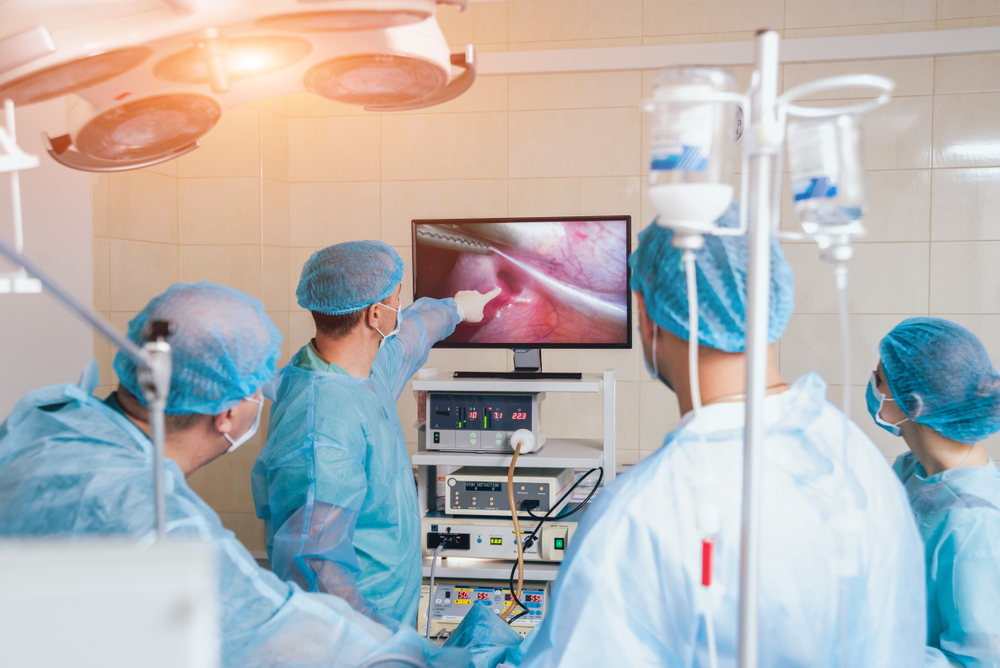
Ablation therapy is a minimally invasive procedure that uses various techniques to damage or destroy abnormal tissue, including radiofrequency ablation, cryoablation, laser, or chemical agents. Doctors may perform ablation by inserting a probe through the skin, threading a catheter, or directing an energy beam, guided by imaging technology.
Ablation therapy has multiple uses, such as ablating heart tissue causing arrhythmias, or removing tumors in the lungs, breasts, thyroid, liver, or other body parts. It can replace open surgery, minimizing impact on healthy tissue while reducing surgical risks, like eliminating thyroid nodules or breast tumors.
Purpose
Ablation is a cardiac procedure used to treat arrhythmias, available in two forms: radiofrequency energy catheter ablation or cryoenergy catheter ablation.
Principle
Doctors select the appropriate energy based on the type of arrhythmia and the ablation site. Energy is released at the catheter tip to the abnormal heart area, creating tiny damage to the tissue, which loses its ability to conduct electrical currents, thus treating the arrhythmia.
Doctors administer local anesthesia before the procedure. To keep the patient awake, a small dose of sedative may be given to ease anxiety. Prior to surgery, electrodes are placed on the chest to monitor heart rhythm and rate, while instruments measure blood pressure and oxygen levels. Puncture sites are typically in the inner thigh (groin), below the collarbone, or on the neck, accessing arteries or veins. Under X-ray guidance, various catheters are inserted into the heart. Sometimes, a specific needle and instrument are used for transseptal puncture to guide the catheter from the right atrium to the left atrium for examination or energy delivery. Electrical signals are recorded at different heart locations, and stimuli are sent through the catheter to induce arrhythmia. When the heart rate accelerates, the patient may feel discomfort. If induced arrhythmia persists, doctors may use direct current cardioversion to restore normal rhythm.
Upon reaching the target, the doctor releases energy via a special catheter, typically lasting 1-2 minutes. During energy delivery, the patient may feel mild chest discomfort. After the procedure, an electrophysiological study confirms success. Procedure time varies by complexity, generally 2-6 hours. Post-procedure, patients require close monitoring, usually for 12-24 hours.
Suitable Patients
Patients with arrhythmia issues.
Complication Risks
Purpose
Atrial fibrillation, also known as AFib, is a common arrhythmia. Atrial fibrillation catheter ablation helps prevent AFib recurrence, reducing adverse effects from repeated episodes.
Principle
Atrial fibrillation catheter ablation uses heat or cold energy to create tiny scars in the heart, blocking abnormal electrical signals and restoring normal heartbeat.
Procedure
Patients receive local anesthesia before surgery, injected at the puncture site, and may get intravenous sedatives or controlled anesthesia. Electrodes are placed on the chest, with pulse oximeters on the hand and blood pressure cuffs to monitor heart rate, rhythm, blood pressure, and oxygen saturation.
Doctors disinfect and puncture the inner thigh (groin), below the collarbone, or neck to access arteries or veins, then insert thin wire catheters into the heart under X-ray. These catheters record electrical signals at various heart spots, sending extra stimuli to test if different areas can trigger abnormal rhythms. When heart rate speeds up, patients may feel discomfort, like palpitations.
Since AFib is often caused by abnormally rapid electrical activity typically originating around the pulmonary veins, if the source is there, doctors guide wire catheters from the right atrium through the atrial septum into the left atrium around the pulmonary veins.
Once at the correct position, energy is released from the catheter tip, possibly causing mild discomfort in the heart area. After energy application, another electrophysiological study checks success. The entire procedure may take 4-9 hours. Post-procedure, patients need 12-24 hours of close monitoring.
Suitable Patients
Patients with atrial fibrillation issues.
Complication Risks
Major complications: Damage to blood vessels, lungs, or heart structures requiring surgical repair, pericardial effusion, pulmonary vein stenosis, blood clots blocking vessels, stroke, phrenic nerve damage causing diaphragm paralysis, atrioesophageal fistula, bacterial infection, contrast agent allergy, and kidney damage.
Minor complications: Wound inflammation and bleeding.
Purpose
Liver tumor radiofrequency ablation is a procedure used to treat liver tumors.
Principle
The treatment concept uses electronic technology for local heating; when temperatures exceed 60°C, tumor tissue may necrose. The approach depends on tumor size and location; doctors can perform percutaneous puncture or open surgery. Ultrasound guides the electrode and monitors ablation extent.
For small tumors in easily accessible spots, patients can undergo percutaneous ablation under local anesthesia. Sedatives may be given beforehand for local numbing. However, for larger tumors at the liver top or near organs like the diaphragm or colon, endoscopy and general anesthesia are needed, with treatment via laparotomy.
Under ultrasound guidance, doctors use a single-tip multi-prong probe with a cooling system, puncturing into the tumor and releasing high-frequency current to heat the tumor and about 1 cm of surrounding margin, causing necrosis.
After surgery, CT or MRI scans are typically done in four weeks to assess effectiveness. If tumor remnants remain, repeat treatment or alternatives like transarterial chemoembolization (TACE) may be needed. Follow-up choices depend on the patient’s condition and doctor’s advice.
Suitable Patients
Liver cancer patients.
Complication Risks
Liver abscess, bleeding, bile duct and visceral damage; severe cases can lead to death.
Purpose
Nerve ablation aims to relieve chronic pain, commonly used for chronic lower back pain, neck pain, and pain in other body areas.
Principle
Nerve ablation uses heating or freezing to destroy nerves at the pain site, achieving pain relief.
Procedure
Before the procedure, local anesthesia is given. Doctors may use X-ray or ultrasound to locate where to place a hollow needle. The needle punctures under the skin to destroy nerve tissue. Patients might feel a stinging sensation. After nerve ablation, steroids are injected to reduce nerve inflammation and swelling. The procedure takes about 30 minutes to 1 hour.
Suitable Patients
Patients affected by chronic pain.
Complication Risks
Nerve ablation complications are mostly not severe, but possible risks include:
The success rate of ablation therapy varies depending on the location of the condition and the type of procedure. For instance, ablation for tumors boasts a success rate of over 90%, while catheter ablation for arrhythmias is around 70%.
Yes, CUHK Medical Centre offers cryoablation and radiofrequency ablation for kidney cancer, water jet ablation for benign prostatic hyperplasia, and microwave ablation for prostate cancer.
| Medical Procedure | Fixed Package Fee* |
| Microwave Ablation for Prostate Cancer | $289,040 – $578,200 |
| Prostate Water Jet Ablation (General Anesthesia) | $131,120 – $262,400 |
| CT-Guided Kidney Cryoablation (Monitored Anesthesia)
1 to 3 Probes |
$134,090 – $403,200 |
| Cryoablation for Kidney Cancer | Not listed on CUHK Medical Centre’s website; please inquire directly with the hospital. |
| Radiofrequency Ablation for Kidney Cancer |

© 2026 Bowtie Life Insurance Company Limited. All rights reserved.