Author
Bowtie Team
Updated on
2025-08-14
Disclaimer: This article is translated with the assistance of AI.
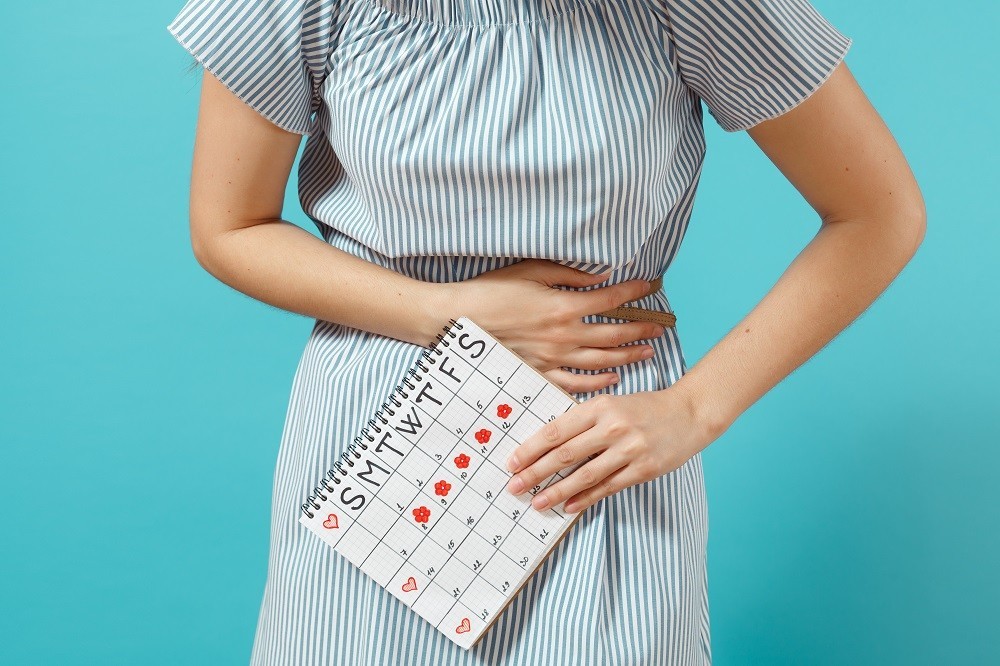
Menorrhagia is defined as menstrual periods lasting 7 days or more, with excessive bleeding measured by fully soaking a sanitary pad or tampon within 2 hours, requiring replacement. Academically, losing about 60cc to 80cc or more of blood per month is also considered menorrhagia.
To simply check if you have heavy periods, see if the flow is disrupting your daily life, such as:
If you suspect heavy menstrual bleeding, use this calculation method as a reference:
Menstrual Flow Calculation
| Flow Amount (Per Change) | Tampon | Pad |
| 1/3 | 1 point | 1 point |
| 2/3 | 5 points | 5 points |
| 3/3 | 10 points | 20 points |
Blood Clot Calculation
| Clot Size (Per Instance) | Points |
| 1 mm | +1 point |
| 1 cm | +1 point |
| Feeling of gushing blood | +5 points |
Using the menstrual flow and blood clot calculations, tally the scores over the total days of your period. A total score over 100 points indicates heavy menstrual bleeding.
Many diseases or factors can lead to heavy menstrual bleeding, and the cause isn’t always identifiable. Common reasons include:
Heavy menstrual bleeding can have negative impacts on the body, including:
| Process | The doctor uses a speculum (also known as a “duckbill clamp”) inserted into the vagina to locate the cervix, then gently scrapes cells from its surface using a small wooden stick or plastic brush for laboratory testing. |
| Possible Diseases Discovered | Cervical inflammation, cervical intraepithelial neoplasia (precancerous changes in the cervix), cervical cancer |
| Process | The doctor uses a speculum (also known as a “duckbill clamp”) to gently open the vagina and expose the cervix, inserts a plastic suction tube through the cervix into the uterus to extract a small amount of endometrial tissue, which is then sent to the pathology department for diagnosis |
| Possible Diseases Discovered | Endometrial cancer, abnormal endometrial tissue or cellular changes caused by hormonal level variations |
| Process | Insert the ultrasound probe into the vagina, allowing the doctor to directly examine the uterus and ovaries |
| Possible Diseases Discovered | Nabothian cysts, cervical polyps, uterine fibroids, endometrial hyperplasia, ovarian cysts, teratomas |
| Process | Insert a catheter into the vagina, inject contrast medium through the cervix into the uterus, then take X-ray images |
| Possible Diseases Discovered | Polyps, fibroids located in the uterine cavity or protruding into the cavity |
| Process | Insert a thin hysteroscope through the vagina into the uterus, providing a clear view to examine the uterine cavity |
| Possible Diseases Discovered | Abnormal uterine bleeding, suspected Müllerian anomalies (congenital diseases related to internal genital malformations), removal/collection of abnormally growing endometrial tissue or pregnancy tissue , removal of foreign bodies |
| Process | Insert a speculum into the vagina to dilate the cervix, then insert a hysteroscope into the uterus. At the same time, insert surgical instruments into the uterus to collect tissue or polyps from the uterus and send them to the pathology department for testing |
| Possible Diseases Discovered | Abnormal uterine bleeding, suspected Müllerian anomalies (congenital diseases related to internal genital malformations), removal/collection of abnormally growing endometrial tissue or pregnancy tissue , removal of foreign bodies |
Doctors will tailor the most suitable treatment plan based on the severity and cause of heavy menstrual bleeding, by reviewing your medical history, age, overall health, and personal preferences.
Common treatments include:
| Treatment Methods | Treatment Process | Effects |
| Prescription Oral Medications | Taking oral medications, including:
|
Pain relievers: Ease menstrual pain
Hemostatic drugs: Reduce menstrual flow Iron supplements: Improve anemia symptoms Contraceptive pills: Regulate periods and reduce flow Hormonal treatments: Decrease menstrual flow |
| Intrauterine Device (IUD) with Medication |
|
Reduces heavy menstrual bleeding |
| Hysteroscopic Endometrial Resection / Ablation |
|
Removes the uterine lining to reduce menstrual flow |
| Dilation and Curettage (D&C) / Suction Curettage |
|
Removes the uterine lining to reduce menstrual flow |
| Hysterectomy |
|
Eliminates menstruation entirely |
If you’re dealing with heavy menstrual bleeding, your body’s iron levels and red blood cells might drop. We suggest tweaking your diet to replenish nutrients and ease discomfort.
| Nutrients to Supplement | Recommended Foods |
| Iron | Red meat, poultry, fish, lentils, nuts, seeds, legumes, dark leafy greens, peas, and beans |
| Vitamin C | Lemon juice, tomatoes, bell peppers, broccoli, and citrus fruits |
| Vitamin B12 | Yogurt, eggs, milk, fish, clams, salmon, tuna, or poultry |
| Omega-3 | Flaxseeds, eggs, salmon, and walnuts |
| Zinc | Oysters, beef, kelp, cereal flakes, and peanut butter |
Menstrual flow varies from person to person and can fluctuate due to hormones, so even the same individual might experience heavier or lighter periods at times. Typically, days 2 to 3 of your cycle are the heaviest, tapering off afterward.
Normality isn’t just about volume—watch for sudden changes in flow or accompanying symptoms like severe pain.
Sudden heavy flow with clots is a classic sign of uterine fibroids —it’s best to consult a doctor for professional advice.
Many conditions or factors can cause heavy periods, and it’s also a common occurrence for women nearing menopause .
From a Traditional Chinese Medicine (TCM) perspective, heavy menstruation mainly falls into three types (qi deficiency, blood heat, and blood stasis). Qi deficiency often stems from a weak constitution, fatigue, or irregular diet. TCM believes qi deficiency fails to control blood flow, leading to excessive bleeding.
These four acupoints are linked to heavy periods—gentle pressure can promote qi and blood circulation, regulate cycles, and support uterine and ovarian health:
Using essential oils with massage can help alleviate heavy menstrual flow and provide relaxation to ease discomfort.

© 2026 Bowtie Life Insurance Company Limited. All rights reserved.