Blood Health
Blood Health

What Happens with Low Hemoglobin? Causes, Effects, and Solutions

Author Bowtie Team
Updated on 2026-01-08

Disclaimer: This article is translated with the assistance of AI.

Hemoglobin levels are a vital indicator of overall health. Bowtie breaks down its functions, normal value ranges, causes and impacts of low or high levels, plus effective solutions and prevention strategies.
~Exclusive Blog Offer~
Sales Up To 70% first year's premium!
Save up on your first year's premium now until 12 Jan! (Enjoy extra coverage with our wellness package for just HK$130/month in the first year!)

What is Hemoglobin?

Hemoglobin is an important protein in red blood cells, composed of heme and globin. Its primary function is to transport oxygen inhaled from the lungs to various parts of the body and to carry carbon dioxide produced by cell metabolism back to the lungs for exhalation.

Hemoglobin levels are crucial for maintaining overall health. Levels that are too low or too high can lead to health issues. Maintaining appropriate hemoglobin levels not only supports good bodily functions but also enhances exercise performance and overall quality of life.

Functions of Hemoglobin

Hemoglobin helps maintain normal bodily functions, with key roles including the following:

1. Oxygen Transport

The most important function of hemoglobin is to transport oxygen from the lungs to cells throughout the body via the bloodstream, providing the energy needed for life-sustaining activities.

2. Carbon Dioxide Removal

Carbon dioxide produced during cell metabolism binds to hemoglobin, is carried back to the lungs through the bloodstream, and is exhaled to maintain normal gas exchange in the body.

3. Regulating Blood pH Balance

Hemoglobin also acts as a buffer, helping to regulate the acid-base balance of the blood. When blood pH fluctuates, hemoglobin can bind or release hydrogen ions to maintain stability.

4. Boosting Immunity

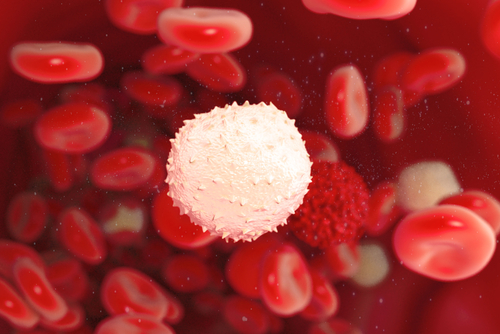
Although hemoglobin is not a direct immune cell, it supports the function of white blood cells . Adequate oxygen supply aids white blood cell activity, indirectly improving the efficiency of the immune system in fighting infections and diseases.

5. Maintaining Mental Alertness

Sufficient hemoglobin levels ensure that the brain receives adequate oxygen, which is essential for maintaining alertness, focus, and mental state. Low hemoglobin can lead to fatigue, lack of concentration, and other issues.

6. Enhancing Exercise Performance

Hemoglobin improves oxygen supply to muscles. During exercise, when muscles require more oxygen, adequate hemoglobin levels ensure a continuous supply, thereby enhancing endurance and performance.

Normal Hemoglobin Levels

Normal hemoglobin levels differ between men and women. For men, the normal range is 14 to 17.5 g/dL, while for women, it is 12.3 to 15.3 g/dL. If a man’s hemoglobin level is 13 g/dL or lower, or a woman’s is 12 g/dL or lower, it indicates anemia.

What Hemoglobin Level Prevents Blood Donation?

Blood donors must be between 16 and 65 years old, weigh at least 41 kg, and pass the donor screening. If hemoglobin is below the required level, they cannot donate to ensure donors have sufficient hemoglobin. For men, the hemoglobin requirement is 13 to 18 g/dL; for women, it is 11.5 to 16.5 g/dL.

Causes of Low Hemoglobin Levels

There are many factors that can affect hemoglobin levels, including:

1. Insufficient Red Blood Cell Production

Red blood cells and white blood cells are produced in the bone marrow, and certain conditions can affect the bone marrow’s ability to produce or support enough red blood cells, resulting in the body being unable to manufacture sufficient red blood cells, such as in cases of lymphoma, leukemia, anemia, multiple myeloma, myelodysplastic syndromes, or chronic kidney disease.

2. Shortened Red Blood Cell Lifespan

Enough red blood cells are produced, but the rate of cell death exceeds the body’s ability to replace them, such as in cases of enlarged spleen or thalassemia.

3. Blood Loss

Blood loss due to injury or illness can affect hemoglobin levels. Blood loss results in the loss of iron, for example, in women during menstruation, or internal bleeding (such as from a Gastric Ulcer ), which can lead to low hemoglobin levels.

4. Difficulty in Absorbing Iron

The body is unable to absorb iron, which affects its ability to produce red blood cells.

5. Malnutrition

Lack of essential nutrients, such as iron, vitamin B12, and vitamin B9.

Issues with Low Hemoglobin Levels

When hemoglobin levels are below the normal range, the body may experience various problems and symptoms, including:

  • Fatigue and Weakness : Since the main function of hemoglobin is to transport oxygen, when its levels are insufficient, the cells in various parts of the body cannot get enough oxygen, leading to persistent fatigue and a sense of weakness.
  • Dizziness and Headaches : Oxygen deficiency can affect normal brain function, possibly causing dizziness, headaches, or even fainting.
  • Pale Complexion : Insufficient hemoglobin leads to a reduction in the number of red blood cells in the blood, making the skin appear pale.
  • Increased Heart Rate : To compensate for the lack of oxygen, the heart beats faster, leading to palpitations or an accelerated heart rate.
  • Shortness of Breath : When the body’s oxygen supply is insufficient, the respiratory system increases breathing frequency to increase oxygen intake.
  • Loss of Appetite and Digestive Issues : Anemia may affect the digestive system, leading to reduced appetite and poor digestion.
  • Cold Hands and Feet : Poor blood circulation can make the limbs feel cold.
What Serious Effects Can Long-Term Hemoglobin Deficiency Cause?
  • Decreased Immunity: Long-term hemoglobin deficiency weakens the immune system, making the body more susceptible to infections and diseases.
  • Cognitive Impairment: Lack of sufficient oxygen supply may affect brain function, leading to difficulty concentrating, memory loss, and other cognitive issues.
  • Increased Risk of Heart Disease: To compensate for low hemoglobin levels, the heart has to work harder, which may increase the risk of Heart Disease over time.
  • Delayed Growth and Development: For children and adolescents, hemoglobin deficiency may affect their normal growth and development.
  • Chronic Fatigue Syndrome: Persistent fatigue and weakness can impact quality of life, reducing efficiency in daily activities and work.
  • Pregnancy Risks: For pregnant women, hemoglobin deficiency can increase the risk of Premature Birth , low-birth-weight babies, and other pregnancy complications.

Problems Caused by High Hemoglobin Levels

When hemoglobin levels in the blood exceed the normal range, it can lead to the following symptoms:

  • Headaches and Dizziness : High hemoglobin can increase blood viscosity and slow blood flow, resulting in headaches and dizziness.
  • Blurred Vision : Elevated hemoglobin levels may cause blurred vision due to poor blood flow and oxygen deficiency in the eyes.
  • Skin Redness : An excess of red blood cells can make the skin appear abnormally red, especially on the face, palms, and soles.
  • Fatigue and Weakness : Although hemoglobin is higher than normal, increased blood viscosity reduces oxygen transport efficiency, leading to fatigue and weakness.
  • Shortness of Breath : Poor blood circulation can make breathing difficult, particularly during exercise or physical activity.
  • Night Sweats : Due to obstructed blood flow, body temperature regulation is affected, causing night sweats.
  • Skin Itching : High hemoglobin levels may cause generalized skin itching, which is more noticeable after bathing.
What Health Risks Can High Hemoglobin Bring?
  • Blood Clot Formation : High hemoglobin can make the blood thicker, increasing the risk of blood clot formation. Blood clots may block blood vessels, leading to serious diseases such as heart disease and stroke.
  • Heart Disease : Due to increased blood viscosity, the heart needs to work harder to pump blood, which can increase the burden on the heart and may lead to heart disease over time.
  • High Blood Pressure : High hemoglobin can lead to elevated blood pressure because the blood becomes thicker, increasing pressure on the blood vessel walls.
  • Polycythemia : This is a condition caused by abnormal bone marrow overgrowth, resulting in an excessive production of red blood cells, which can lead to various symptoms and complications.
  • Enlarged Spleen : Due to an overabundance of red blood cells, the spleen may enlarge as it has to process more red blood cells.
  • Gout : High hemoglobin levels may be associated with elevated uric acid levels, increasing the risk of gout attacks.

How to Supplement Hemoglobin?

If hemoglobin levels are found to be insufficient, you can supplement and increase them through the following methods:

  • Iron-rich foods: Foods such as red meat, liver, fish, spinach, and beans are rich in iron, which helps raise hemoglobin levels. It is recommended to choose lean meats and diversify food sources to increase iron intake.
  • Increase vitamin C intake: Vitamin C promotes iron absorption, so it is advisable to eat foods high in vitamin C, such as oranges, lemons, strawberries, red peppers, and broccoli.
  • Vitamin B12 and folic acid: These vitamins are essential for red blood cell production. Consuming foods rich in vitamin B12, like eggs, dairy products, and fish, as well as those high in folic acid, such as leafy greens and beans, can help elevate hemoglobin levels.
  • Iron supplements: When diet does not provide enough iron, take iron supplements under a doctor’s guidance. It is best to take them with vitamin C-rich foods and avoid consuming them with coffee, tea, or dairy products.

How to Prevent Low Hemoglobin?

Reduce Intake of Foods That Affect Iron Absorption

When eating, avoid consuming tea and coffee, as the tannins in them can bind with iron, reducing its absorption efficiency. At the same time, avoid consuming calcium-rich foods and supplements at the same time, as calcium can also interfere with iron absorption.

Good Lifestyle Habits

Maintaining a balanced diet and healthy lifestyle is key to preventing low hemoglobin. Ensure your diet contains sufficient iron, vitamin B12, and folic acid by eating plenty of red meat, fish, leafy green vegetables, and legumes, which are rich in iron and vitamins.

Additionally, moderate exercise can help promote blood circulation and improve the body’s utilization of iron. Ensuring adequate sleep and reducing stress are also important factors in maintaining healthy hemoglobin levels.

Regular Check-ups

Regular blood tests are an effective way to monitor hemoglobin levels, especially for those with a history of anemia or risk factors. Early detection and diagnosis of low hemoglobin issues allow for timely nutritional supplements or treatment, preventing the problem from worsening. Doctors may also provide specific dietary and lifestyle recommendations based on the test results to help maintain healthy hemoglobin levels.

Book Anemia Check Services Now!

Bowtie & JP Health Health Centre provides comprehensive medical services for customers, including physical check-ups, anemia checks, and more. If you plan to book services such as physical check-ups or anemia checks at Bowtie & JP Health Health Centre , you can call 3169 2269, or book clinic services here !

Bowtie Pink Blog Promo!

Tired of sky-high private hospital bills but hesitant about purchasing VHIS? Bowtie Pink provides full coverage*, with long-term premiums are substantially lower than market rates^.

For a limited time, use the exclusive Bowtie Blog promo code【BLOGENGINSURE】to get an impressive 65% in first year’s premium and secure top-tier health protection at an unbeatable price!


*Full coverage shall mean no itemized benefit sub-limits, and applies to designated benefit items only. The benefit payable shall be subject to the remaining deductible (if applicable), annual benefit limit, lifetime benefit limit and other limitations such as reasonable and customary charges, a pre-existing condition, “List of Designated Hospitals in Mainland China” and receiving medical treatment in the United States. For detailed terms and conditions, product risks, and exclusions, please refer to the relevant product website and policy.
^Based on a market survey conducted by Bowtie on December 29, 2025, comparing similar types of VHIS (full reimbursement, general ward class, deductible level, and coverage area) available for online purchase, Bowtie Pink VHIS (Ward) offers lower monthly premiums for non-smokers aged 0-14 and 23-98. Different medical insurance plans have varying coverage scopes and benefit limits; please refer to the relevant policy documents, terms and conditions for details.

Related Articles

Blood Health

Low Blood Pressure / Hypotension: Causes, Symptoms and Treatment

Anemia: What It Is, Symptoms, and Diet Tips Anemia: What It Is, Symptoms, and Diet Tips
Blood Health

Anemia: What It Is, Symptoms, and Diet Tips

White Blood Cells: High/Low Levels, Causes, and Diet Tips White Blood Cells: High/Low Levels, Causes, and Diet Tips
Blood Health

White Blood Cells: High/Low Levels, Causes, and Diet Tips

Enter Promo Code [BLOGENGINSURE] when purchasing VHIS on or before 12 Jan to enjoy 70% off first years' premium!
Quote now

Other Topics

Email

General Enquiry
hello@bowtie.com.hk
Media Enquiry
media@bowtie.com.hk
Partnership
partner@bowtie.com.hk

© 2026 Bowtie Life Insurance Company Limited. All rights reserved.
Your Browser is outdated. To have a better user experience, please upgrade or change another browsers. OK