Author
Bowtie Team
Updated on
2025-07-30
Disclaimer: This article is translated with the assistance of AI.
Generally speaking, warts can heal on their own, but some people experience discomfort, disruption to daily life, an increase in the size or number of warts, or simply want them gone for aesthetic reasons or quicker results. That’s when they turn to various wart removal treatments available, speeding up the process. Typically, wart removal procedures offered by doctors fall into four categories: cryotherapy, electrocautery, surgical excision, and CO2 laser treatment , which are pricier than over-the-counter creams.
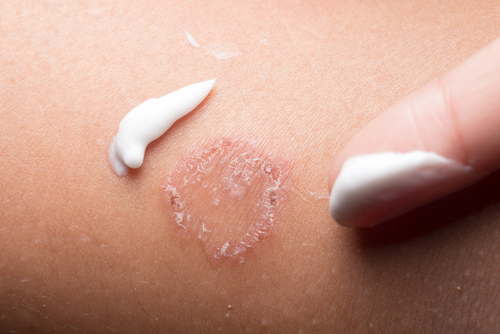
Most warts are harmless and can disappear on their own within weeks, months, or even years. If warts are bothering you, besides removal procedures, many opt for creams containing salicylic acid.
Studies show salicylic acid is effective for wart removal. Plus, these creams are affordable, easy to get, and safe when used as directed by a doctor, making them a popular choice for treating warts.
However, salicylic acid creams are not suitable for sensitive skin areas (like the face or genitals , or spots with hair, moles, or birthmarks).
Children under 2 years old, pregnant or breastfeeding women, those allergic to salicylic acid, diabetes patients, or individuals with circulatory, immune, liver, or kidney issues should not use salicylic acid creams for wart removal.
Why Do Warts Appear on Skin? Check Causes, Types, Features Now
| Cryotherapy Wart Removal | Electrocautery Wart Removal | Surgical Wart Removal | CO2 Laser Wart Removal | Creams | |
| Principle | Uses extreme cold to destroy wart-affected skin tissue, causing it to fall off naturally | Uses high heat to destroy wart tissue, then removes it | Surgically excises the wart | Uses laser to cut out the wart | Most over-the-counter creams contain salicylic acid, which softens and breaks down wart-affected skin, eventually removing it through natural shedding |
| Effectiveness | About 50-80% success rate for common warts | Overall 65-85% success rate for wart removal | Not provided | 64-96% success rate within 12 months | Success rate around 15-33% |
| Process | Doctor applies extremely cold substance, usually liquid nitrogen, to the wart. May repeat steps if needed | Doctor uses electric needle to destroy wart tissue, then scrapes it off with a curette. May repeat if needed | Doctor uses scalpel to directly cut out the wart. May repeat to enhance effectiveness | Doctor cuts off the upper part of the wart, then uses laser for the rest. May repeat to enhance effectiveness | Soak affected area in warm water for 5-10 minutes to soften skin; roughen the wart surface; apply cream to the area |
| Pain Level | No anesthesia needed, causes minor pain | Local anesthesia used; no pain during procedure, but mild pain afterward | When used correctly, generally painless | ||
| Suitable For | Common warts (mainly adults and older children), genital warts | Common warts, filiform warts, plantar warts | Stubborn warts unresponsive to other methods | Periungual and subungual warts; ineffective other treatments or for immunocompromised individuals | Best for warts on hands or feet |
| Side Effects | Blisters may form and cause discomfort for days. Possible pigmentation changes or scarring | Possible pigmentation changes or scarring | May cause skin irritation. Possible pigmentation changes or scarring | ||
| Treatment Duration | Each session 1 minute, with 1-2 weeks recovery. Repeat every 2-4 weeks, may need up to 6 sessions | Depends on number and size of warts. Usually one-time treatment | Apply daily for up to 12 weeks, or follow product instructions | ||
If you notice symptoms of warts, it’s best to see a doctor first for an assessment before starting any treatment. Keep in mind, even after using any of the methods mentioned, the wart virus might linger on other parts of your skin, so recurrence is still possible.
Generally speaking, here are some key things to watch out for after wart removal:
Avoid applying makeup to the treated area until it’s fully healed.
Depending on the method, it usually takes a few weeks for full recovery.

© 2026 Bowtie Life Insurance Company Limited. All rights reserved.