Skin Issue
Skin Issue

Tinea vs Eczema: Similar Symptoms, Different Causes?

Author Bowtie Team
Updated on 2025-07-28


Disclaimer: This article is translated with the assistance of AI.

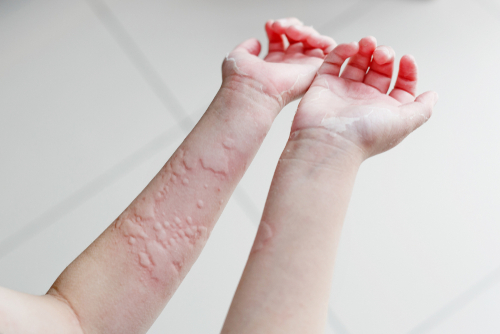
Red, itchy skin that’s hard to ignore—even in public? You might think it’s eczema, but skin conditions vary widely. Atopic dermatitis in eczema can mimic tinea symptoms, leading to confusion. Early stages are often mild, so many head to the pharmacy for self-treatment ointments. But mistaking tinea for eczema and using steroids recklessly could worsen it. Learn the key differences between eczema and tinea, plus smart medication choices—Bowtie breaks it down for you below to keep your skin healthy and protected.
~Bowtie 7th Anniversary Limited-time Blog Offer~
Lock in your premium for up to 20 years with Level Term Life and save up to 6% in total premiums!
Save up on your 50% off 1st year + 35% off 2nd year limited-time blog offer now until 17 July!

What is Ringworm? Types in Hong Kong

Ringworm is common in Hong Kong, caused by fungal infections (mold-like parasites) that thrive in moist and warm environments 1 . Hong Kong’s humid and stuffy summers create the perfect breeding ground for these fungi, making it peak season for ringworm. These fungi can invade the skin’s outer layer, hair, and nails, leading to various types of tinea. Think of it like everyday items getting moldy – that’s ringworm on your skin.

Common types of ringworm in humans include the following 1,2 :

Athlete’s Foot Commonly known as “Hong Kong Foot” , it causes blisters or dry, cracking skin between toes or on soles, with intense itching. Scratching can lead to bacterial infections with pus.
Nail Fungus Known as “onychomycosis,” fungi attack toenails or fingernails, causing discoloration, deformity, thickening, and brittleness.
Jock Itch Red, ring-shaped rashes with severe itching in the groin area (inner thighs). More common in overweight, sweaty men.
Body Ringworm Also called “tinea corporis” or “ringworm,” it appears as one or more ring-shaped red patches on the body (like face, arms, or shoulders), with extreme itching.
Tinea Versicolor Known as “pityriasis versicolor,” it shows light-colored, round, scaly patches on the back, upper chest, arms, and neck, with itching.

Ringworm Symptoms: Is It Contagious?

People with ringworm typically experience these skin symptoms 2,3 :

  • Itching and pain
  • Thickened skin with darker pigmentation
  • Red spots or oval red marks of varying sizes
  • Dryness or blisters
  • White scales and peeling on the surface

Ringworm spreads through 3 :

  • Person-to-person: Usually via direct skin contact with an infected person.
  • Animal-to-person: Contact with infected animals can transmit it, especially when petting cats, dogs, or grooming them – it’s also common in cows.

What’s the Difference Between Ringworm and Eczema?

Ringworm and eczema have very similar symptoms, but they differ greatly in causes, affected areas, contagiousness, and prevention measures.

Causes

Eczema is mainly triggered by exposure to environmental allergens, and those affected often have other allergic conditions like asthma or hay fever due to genetic factors. In contrast, ringworm is heavily influenced by environmental factors, especially humid and stuffy weather, or contact with infected animals or people. Additionally, malnutrition, poor personal hygiene habits—such as not changing into dry clothes promptly after sweating—skin injuries, weakened immunity, and chronic conditions like diabetes can all increase the risk of ringworm 4,5 .

Affected Areas

Eczema is a chronic skin condition that flares up intermittently and can affect localized or widespread areas. Ringworm, however, is a temporary and localized skin infection, most commonly appearing in confined spots like between the toes, fingers, underarms, groin, or inner thighs 5 .

Contagiousness

Eczema is not contagious 4 ; whereas ringworm is contagious 3 .

Prevention

Since eczema stems mainly from immune system imbalances, it can’t be prevented. Most cases of ringworm, however, are caused by environmental infections and can generally be prevented.

How to Treat Ringworm? Is Ointment Effective?

If you suspect you have ringworm, it’s best to see a doctor early. They’ll make a professional clinical judgment and prescribe the appropriate medication to treat the fungal infection.

Mild cases of ringworm can be treated with topical antifungal medications. Doctors typically prescribe ointments for a course of one to four weeks 2 . Targeted ointments come in liquid or cream forms and are applied to the affected area. For dry, cracked skin, creams are suitable, but they’re not effective for nail fungus.

For stubborn or severe fungal infections, oral antifungal medications are needed to fully eradicate it. A common one is griseofulvin, mainly for nail ringworm or body ringworm that doesn’t respond to topical ointments. Since treatment often takes a while, patience is key—stick strictly to your doctor’s instructions and complete the full course. At the same time, maintain good personal hygiene to speed up recovery and reduce the chance of recurrence.

How to Prevent Ringworm?

  • Pay attention to personal hygiene—shower thoroughly, cleaning all body parts, especially skin folds and between toes 1,3
  • Wear appropriate clothing to keep skin dry and ventilated, especially between fingers, toes, and in the groin area 4
  • After exercise or if you sweat easily, shower frequently and dry off completely
  • If you have foot ringworm, avoid foot massages, going barefoot in changing rooms, public showers, pools, or walking barefoot on park paths. Treat it early to prevent spreading to other body parts or infecting others 4
  • If you touch the affected area, wash your hands immediately to avoid spreading ringworm to other parts of the body 1
  • Those with athlete’s foot shouldn’t wear nylon socks—opt for cotton ones and change them often. Also, wear dry, breathable shoes. For groin ringworm, avoid tight pants like jeans
  • Change socks, clothes, and towels daily. Rotate shoes and keep them dry
  • Don’t share personal items like clothes, shoes, socks, combs, pillows, towels, or hair accessories 1
  • Avoid scratching itchy areas to prevent inflammation, and don’t soak in overly hot water
  • Keep your home clean regularly. If family members have athlete’s foot or nail fungus, clean and disinfect floors and bathtubs periodically 4
  • Ringworm can easily recur, so keep clothes clean and avoid dampness
  • Diabetics are especially prone to infection, so follow the hygiene tips above and manage your diabetes 1

2026-07-09 00:00:00


Related Articles

Is Gonorrhea an STD? Symptoms & Treatments Is Gonorrhea an STD? Symptoms & Treatments
Skin Issue

Is Gonorrhea an STD? Symptoms & Treatments

Wart Removal vs. Ointment: Methods, Processes, Aftercare Guide Wart Removal vs. Ointment: Methods, Processes, Aftercare Guide
Skin Issue

Wart Removal vs. Ointment: Methods, Processes, Aftercare Guide

What is NMN? Benefits, Side Effects & How to Take It What is NMN? Benefits, Side Effects & How to Take It
Skin Issue

What is NMN? Benefits, Side Effects & How to Take It

Limited-Time Offer! Apply for designated products on or before July 30 with code [BLOGENGINSURE] to enjoy 50% off 1st year + 35% off 2nd year premium!
Quote now

Other Topics

Email

General Enquiry
hello@bowtie.com.hk
Media Enquiry
media@bowtie.com.hk
Partnership
partner@bowtie.com.hk

© 2026 Bowtie Life Insurance Company Limited. All rights reserved.

Your Browser is outdated. To have a better user experience, please upgrade or change another browsers. OK