Author
Bowtie Team
Updated on
2025-12-29
Disclaimer: This article is translated with the assistance of AI.
In my years on the front lines, I’ve seen plenty of folks cancel their medical insurance because their current policy just doesn’t cut it anymore. The reasons vary widely—it could be that the old plan falls short on coverage limits or benefits, failing to keep up with what’s needed today. Plus, after multiple premium hikes, some people find the costs skyrocket beyond their budget, leading them to pull the plug.
Beyond personal preferences, your wallet plays a huge role in keeping medical insurance afloat. Premiums typically climb with age, and with healthcare inflation running rampant these days, costs keep rising. If your finances take a hit—like a drop in income or job loss—it becomes tough to keep up with payments.
Many companies offer their own medical coverage these days, and if it’s solid enough, some people figure it’s redundant to have personal insurance. That often leads to cancelling individual plans to save a few bucks.
Some folks view medical insurance as a non-essential expense you only need while you’re earning. Once retirement hits and the paycheck stops, they opt to cancel to keep things financially tight and avoid extra burdens in their golden years.
Medical insurance can feel like a maze for many, and some rely heavily on their agent to handle claims successfully. They buy it based on trust, assuming the agent will guide them through. But in reality, not many agents stick around long-term in the industry. Without a smooth handover, policyholders might worry about being left in the lurch and decide to cancel instead.
Cancelling a policy is easy enough, but are you really ready for life without that safety net? Without any backup coverage, you’re on the hook for all medical risks.
Opt for private hospital treatment, and you might face bills in the six or even seven figures. Go the public route, and you’re looking at years-long wait times for some procedures, plus you’ll have to compromise on service quality.
For those with pre-existing conditions, like chronic issues or serious illnesses, it’s tough—almost impossible—to get new health or critical illness insurance down the line. Even if your current policy has gaps, it still offers some protection. Cancel it, and you could be left covering everything yourself.
And even if you’re healthy now, who knows what tomorrow brings? If illness strikes after cancellation, it could slam the door on future coverage options.
Some people cancel an old policy to switch to a more comprehensive one for better protection. But during the switch, keep an eye on that waiting period—many plans require 30 days or more before they cover illness-related treatments.
To avoid gaps, make sure the transition is seamless. If you get sick during the new policy’s waiting period, it won’t kick in. The smart move? Let the new policy settle in and pass the waiting phase before ditching the old one, so you don’t end up in coverage limbo.
If money troubles are pushing you to cancel, remember: you’re only cutting premiums, not the risks. Without insurance to share the costs, a sudden illness or accident could drag you into deeper financial trouble.
Medical insurance is your first line of defense against health woes, so before saying goodbye, take a hard look at your finances and see if you can trim expenses elsewhere to keep it.
Having solid company insurance might make personal coverage seem like overkill and a waste of money. But even the most loyal employees eventually retire, and job changes or layoffs are just part of life.
Whatever the reason, once you leave your job, that company coverage vanishes. To dodge a coverage gap without duplicating benefits, consider a Top Up Medical Insurance Plans . This way, you can fill in the gaps affordably and ensure you’re not left unprotected when you move on.
Ditching medical insurance after retirement to save on costs might seem savvy, but it’s a risky financial move. After all, insurance is key to managing health risks, and those risks only grow with age.
Take someone with a home and $200,000 in retirement savings, for instance. If they get cancer post-retirement without coverage, they’d likely drain most of their savings on treatment—or worse, sell their home. Either way, their retirement plans would take a major hit.
Rely solely on public hospitals, and you might wait over a year for key tests, potentially letting a serious condition worsen beyond repair.
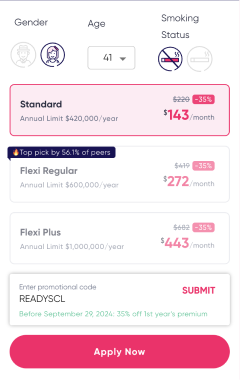
If you think your current health insurance premiums are too high, or the coverage isn’t comprehensive enough, you might consider the Bowtie VHIS series products.
Bowtie has a customer service team with no intermediaries, so you don’t have to pay high intermediary commissions. Additionally, the company uses technology to replace traditional complex processes like policy application, underwriting, approval, and management, which helps keep premiums at a level affordable to the public, making the products more cost-effective.
Friends who want to cancel or switch policies might refer to the following health insurance suggestions:
For those with company health insurance or seeking more comprehensive coverage: Bowtie Pink
For those facing financial difficulties: Bowtie VHIS Standard
For those preparing for retirement: Bowtie VHIS Flexi Plan + GHK Wellness Package

© 2026 Bowtie Life Insurance Company Limited. All rights reserved.