Insurance Tips
Insurance Tips
Acupuncture Accident Insurance in Hong Kong: Coverage, Costs and Claims Guide
Author
Zing Cheung
Updated on
2026-09-07
Yes, many personal accident insurance plans in Hong Kong cover outpatient acupuncture if it is medically necessary to treat an accidental bodily injury rather than an illness or degenerative condition. Eligible treatment must generally be administered by a Registered Chinese Medicine Practitioner (RCMP) registered under the Chinese Medicine Ordinance (Cap. 549) to qualify for insurance reimbursement.

Personal accident insurance in Hong Kong generally reimburses outpatient acupuncture expenses when required for the treatment of an acute, traumatic bodily injury. Policies enforce specific eligibility conditions, including treatment by an active Registered Chinese Medicine Practitioner (RCMP), per-visit monetary limits, and policy year aggregate maximums. Chronic ailments, postural wear-and-tear, and sessions administered by unregistered practitioners are strictly excluded.
Trauma Causation Required: Outpatient acupuncture is reimbursable only when necessitated by an unexpected, external physical accident (such as a sports fall or vehicular impact), rather than internal illnesses or postural fatigue.
Statutory Practitioner Qualification: The treating acupuncturist must be an active Registered Chinese Medicine Practitioner (RCMP) with the Chinese Medicine Council of Hong Kong under Cap. 549; treatments by Listed practitioners (表列中醫) or uncertified therapists are strictly excluded.
Per-Visit Monetary Caps: Plans impose specific per-visit reimbursement limits (typically ranging from HK$250 to HK$500 per consultation) alongside overall annual session caps.
Diagnostic Notation: While direct access is common without a Western doctor’s referral letter, clinic invoices and medical certificates must explicitly state a traumatic accidental cause rather than generic constitutional disharmony.
|
Situation, Treatment or Expense |
Generally Covered? |
Core Conditions |
Primary Exclusions |
|---|---|---|---|
|
Accidental sports injury (e.g. acute ankle sprain) |
Yes |
Medically necessary for trauma; treated by a Registered Chinese Medicine Practitioner (RCMP) |
High-risk hazardous sports excluded under general policy terms |
|
Chronic back or neck pain from ageing/posture |
No |
None; accident policies strictly cover sudden, external bodily injuries |
Degenerative illnesses, natural wear-and-tear, musculoskeletal fatigue |
|
Work-related traumatic injury |
Yes |
Eligible under Employees’ Compensation Ordinance (Cap. 282) up to statutory limits, with accident insurance bridging shortfalls |
Pre-existing non-work injuries; claims exceeding statutory or policy caps without proof |
|
Treatment by an unregistered acupuncturist |
No |
None |
Listed Chinese Medicine Practitioners (表列中醫), massage therapists, bone-setters without RCMP credentials |
To secure reimbursement for acupuncture claims, policyholders must satisfy four fundamental contractual and regulatory conditions. Hong Kong insurers strictly enforce these criteria to ensure treatments arise directly from unexpected physical accidents rather than routine wellness maintenance or underlying health conditions. Meeting these requirements upfront prevents claim disputes and administrative processing delays.
Registered Chinese Medicine Practitioner (RCMP) Status: The treating acupuncturist must be formally registered under the Chinese Medicine Ordinance (Cap. 549) and listed on the official register maintained by the Chinese Medicine Council of Hong Kong (CMCHK). Consultations administered by Listed Chinese Medicine Practitioners (表列中醫), massage therapists, or alternative wellness therapists are strictly non-reimbursable.
Medical Necessity and Direct Trauma Causation: Clinic receipts and consultation notes must record a direct accidental cause (such as ‘acute right ankle sprain resulting from tripping on stairs’) rather than general constitutional patterns like ‘qi stagnation and blood stasis’ (氣滯血瘀) without an external injury context.
Treatment Timeframe and Reporting Windows: Most accident policies require initial consultations to occur within a defined period (often within 30 to 90 days following the accidental event), and claims must be reported within the insurer’s notification deadline.
Scope of Adjunct Modalities and Shared Single-Day Consultation Limits: Adjunct therapies commonly performed alongside manual acupuncture—such as electroacupuncture (電針), cupping (拔罐), moxibustion (艾灸), and topical herbal applications—are generally reimbursable if medically necessary for the trauma, but they share the policy’s single Chinese medicine daily consultation limit rather than providing separate standalone allowances.
Hong Kong personal accident insurance plans vary significantly in how they reimburse outpatient traditional Chinese medicine and acupuncture treatments. While basic market plans often enforce rigid sub-limits of HK$150 to HK$300 per consultation, comprehensive products provide higher allowances and direct access without requiring a Western medical doctor’s referral letter. Comparing these parameters helps policyholders gauge potential out-of-pocket expenses at private clinics.
|
Insurance Provider & Plan |
Chinese Medicine / Acupuncture Limit (Per Visit) |
Maximum Visits / Annual Limit for Chinese Medicine |
Western Doctor Referral Required? |
Key Features & Deductible |
|---|---|---|---|---|
|
Bowtie Touch Wood Protector |
HK$250 per visit (non-fracture); HK$500 per visit (fracture) |
Up to 4 visits per accident (non-fracture); Up to 6 visits per accident (fracture); Max 8 visits / HK$3,500 per policy year |
No referral required for Registered CMPs |
HK$0 deductible; 100% paperless digital claims; covers physiotherapy, chiropractic, and bone-setting |
|
Company Z |
HK$300 to HK$400 per visit (depending on plan tier) |
Max 10 to 15 visits per policy year; capped at HK$3,000 to HK$4,000 annually |
No referral required for registered Chinese medicine outpatient trauma |
Tiered plan options; standard outpatient sub-limits |
|
Company B |
HK$300 per visit |
Max 10 visits per accident; subject to overall outpatient medical maximum |
No referral required |
Established local provider; fixed daily consultation sub-limit |
|
Company S |
HK$200 to HK$300 per visit |
HK$2,000 to HK$3,000 annual aggregate limit |
Typically waived for registered TCM outpatient treatments |
Packaged accident protection; lower per-visit sub-limit |
|
Company H |
HK$250 to HK$350 per visit |
Up to HK$2,500 per accident |
No referral required |
Streamlined personal accident cover with basic TCM allowance |
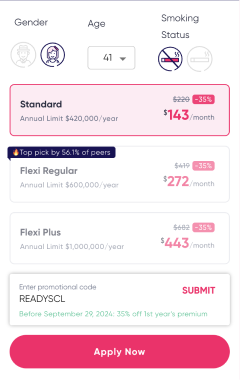
When evaluating plans, examine whether the insurer distinguishes between injuries involving fractures and soft-tissue non-fracture trauma. For instance, Bowtie Touch Wood Protector provides HK$250 per visit for non-fracture injuries (up to 4 visits per accident) and increases the limit to HK$500 per visit for injuries involving bone fractures (up to 6 visits per accident), operating with zero deductibles and a streamlined digital submission portal.
Coverage for acupuncture in Hong Kong differs fundamentally depending on whether you rely on personal accident insurance, the Voluntary Health Insurance Scheme (VHIS), or statutory Employees’ Compensation. Personal accident insurance covers outpatient trauma treatments, whereas VHIS Standard Plans focus on inpatient hospital care and exclude traditional Chinese medicine. For workplace injuries, the Employees’ Compensation Ordinance (Cap. 282) provides statutory daily coverage up to HK$500 per day.
|
Feature |
Personal Accident Insurance |
VHIS Standard Plans |
Employees’ Compensation (Cap. 282) |
|---|---|---|---|
|
Primary Focus |
Unforeseen accidental bodily injuries |
Illnesses, hospitalisation, and day surgeries |
Work-related injuries and prescribed occupational diseases |
|
Acupuncture Coverage |
Usually covered for acute accidental trauma |
Standard plans exclude TCM; selected Flexi plans offer limited post-surgery add-ons |
Covered for certified work injuries up to HK$500 per day |
|
Outpatient Setting |
Comprehensive outpatient clinic coverage (subject to per-visit limits) |
Generally excludes outpatient TCM visits |
Covers outpatient clinic treatments subject to statutory daily caps |
|
Territorial Scope |
Typically 24/7 worldwide coverage |
Hong Kong or Asia (depending on plan terms) |
Injuries arising out of and in the course of employment |
|
Deductible / Co-payment |
Commonly HK$0 deductible on basic accident plans |
Varies by deductible tier chosen |
No deductible payable by the injured employee |
The Voluntary Health Insurance Scheme (VHIS) Standard Plan explicitly excludes traditional Chinese medicine treatments, including herbal treatment, bone-setting, acupuncture, acupressure, and tui na, under Section 10 of its General Exclusions. This exclusion exists because the statutory VHIS framework prioritises relieving the burden on public hospital inpatient beds and day surgical suites rather than financing routine outpatient alternative therapies.
In contrast, if an injury occurs during the course of employment, the Employees’ Compensation Ordinance (Cap. 282) mandates that employers reimburse actual medical expenses incurred. Following legislative amendments that took effect on 1 January 2026, the statutory maximum daily rate for outpatient medical expenses—including treatment administered by a Registered Chinese Medicine Practitioner—was increased from HK$300 to HK$500 per day. Personal accident insurance acts as an indispensable financial buffer for private clinic charges exceeding statutory limits or for accidents that take place outside working hours.
For policyholders holding both company group medical outpatient cover and a personal accident policy, Coordination of Benefits (COB) applies. You can submit the original receipts to your employer’s group insurer first, obtain a certified true copy of the receipts and settlement breakdown voucher, and then submit the unreimbursed balance to your personal accident insurer.
Acupuncture treatment costs in Hong Kong range from HK$120 per consultation at government-subsidised public clinics to over HK$1,000 per session at premier private practices. Knowing prevailing market rates helps patients anticipate potential co-payment shortfalls against their accident policy’s per-visit limits. While public clinics offer significant subsidies, private clinics provide immediate walk-in access and specialised trauma modalities.
|
Healthcare Sector / Clinic Type |
Scope of Service & Modalities |
Typical Hong Kong Fee (2026) |
Insurance & Out-of-Pocket Considerations |
|---|---|---|---|
|
18 Districts CMCTRs (Subsidised) |
General acupuncture for pain relief and functional recovery |
HK$120 per attendance |
Fully covered under most accident policies; requires prior appointment via the ’18 CM Clinics’ mobile app |
|
18 Districts CMCTRs (Non-Subsidised) |
Non-subsidised acupuncture and specialised consultations |
HK$200 to HK$400 per visit |
Affordable public option when subsidised quotas are full; comfortably fits standard per-visit caps |
|
Private TCM Chains (e.g. Nong’s, Eu Yan Sang, Wai Yuen Tong) |
Targeted trauma acupuncture, electroacupuncture, concentrated granules |
HK$350 to HK$800+ per visit |
Convenient high-street locations; consultation plus acupuncture may exceed lower per-visit insurance caps |
|
Independent Private TCM Practitioners |
Sports trauma acupuncture, local herbal paste application, joint manipulation |
HK$300 to HK$750 per visit |
Pricing depends on practitioner seniority; ensure receipts display official chops and RCMP registration numbers |
|
Comprehensive Trauma Care (Acupuncture + Bone-Setting + Herbs) |
Multi-modality trauma sessions combining needles, manual realignment, and herbal packs |
HK$500 to HK$1,200+ per session |
Multiple treatments on the same calendar day share the single Chinese medicine per-visit daily reimbursement limit |
When visiting private clinics charging HK$500 to HK$700 per session, patients must manage their co-payment gaps. If an accident policy reimburses HK$250 per visit for a non-fracture injury, the patient covers the remaining balance out of pocket. Checking benefit limits before initiating multi-session treatment plans ensures financial predictability.
Accident insurance policies contain specific exclusions where acupuncture claims will be declined, even if administered by a licensed practitioner. Insurers differentiate acute external trauma from chronic medical conditions, lifestyle ailments, and non-qualifying healthcare providers. Familiarising yourself with these standard policy restrictions prevents unexpected out-of-pocket medical expenses.
Degenerative Illnesses and Chronic Wear-and-Tear: Acupuncture prescribed for age-related osteoarthritis, chronic cervical spondylosis, postural muscle strain from office work, or gradual spinal disc degeneration is excluded. Accident insurance strictly requires a sudden, violent, external, and visible event.
Treatments by Listed Chinese Medicine Practitioners (表列中醫): Under the transitional provisions of the Chinese Medicine Ordinance (Cap. 549), Listed practitioners are permitted to practice but are not fully registered. Hong Kong accident policies explicitly require treatments to be administered by a Registered Chinese Medicine Practitioner (註冊中醫) holding an active annual practising certificate. Services provided by massage therapists, aromatherapists, or bone-setters without official RCMP credentials are completely ineligible.
Hazardous Sports and Excluded Activities: Accidental trauma sustained while participating in professional competitive sports, unregulated rock climbing, motorized racing, or aerial activities excluded under general policy provisions will void claim coverage.
Incomplete Diagnosis on Invoices: Insurers frequently reject or query receipts that state only non-specific symptoms (such as ‘neck ache’ or ‘shoulder tenderness’) without documenting an acute accidental causation (such as ‘slip and fall injury during tennis match’).
Pre-Existing Injuries and Intoxication: Exacerbations of musculoskeletal injuries sustained prior to the policy’s effective start date, or accidents occurring while under the influence of alcohol or narcotics, are excluded.
To understand how per-visit limits and session allowances function in practice, consider a real-world sports trauma scenario on the MacLehose Trail. Evaluating treatment costs against policy reimbursement caps illustrates the exact out-of-pocket financial liability an injured individual faces. The comparison between different coverage tiers highlights why policy terms matter when choosing an accident plan.
|
Detail |
Case Simulation |
|---|---|
|
Reader Profile |
A 30-year-old amateur hiker and office worker in Hong Kong |
|
Accident Circumstance |
Slipped on loose gravel and sustained an acute grade-two ankle sprain (non-fracture soft tissue injury) while descending Section 4 of the MacLehose Trail |
|
Prescribed Treatment |
Four acupuncture and electroacupuncture sessions at an urban private Chinese medicine clinic over three weeks |
|
Total Medical Cost |
HK$500 per session (Total cost: HK$2,000 for 4 sessions) |
|
Claim Outcome: Typical Market Plan |
Under a plan capped at HK$300 per visit (up to 10 visits), the insurer reimburses HK$1,200 (4 x HK$300). The patient absorbs an out-of-pocket co-payment of HK$800 |
|
Claim Outcome: Bowtie Touch Wood Protector |
For non-fracture accidental injuries, the plan reimburses HK$250 per visit for up to 4 visits per accident (4 x HK$250 = HK$1,000). The patient absorbs an out-of-pocket co-payment of HK$1,000 |
|
Fracture Scenario Comparison |
If the accidental injury had involved a bone fracture rather than a simple sprain, Bowtie Touch Wood Protector provides HK$500 per visit for up to 6 visits per accident. For four fracture-related sessions costing HK$2,000, reimbursement would be HK$2,000, resulting in HK$0 out of pocket |
Note: This scenario is an illustrative calculation based on defined product schedules. Actual claim outcomes depend on clinical findings, the absence of fractures, and individual policy provisions.
Submitting a successful acupuncture accident claim requires comprehensive documentation verifying the accident’s occurrence, medical necessity, and practitioner credentials. Incomplete invoices or omitted registration numbers represent the primary causes of reimbursement delays in Hong Kong. Following a structured checklist and digital submission workflow ensures prompt claim processing.
|
Required Item |
Purpose and Content |
Document Issuer |
Common Pitfalls to Avoid |
|---|---|---|---|
|
Itemised Original Receipt |
Proves financial payment and date of consultation |
Attending clinic or practitioner |
Missing the clinic’s official rubber stamp or practitioner’s signature |
|
Traumatic Accident Diagnosis |
Confirms treatment addresses an acute external accident |
Attending Chinese Medicine Practitioner |
Stating vague diagnostic terms like ‘joint ache’ without trauma context |
|
Practitioner RCMP Number |
Verifies legal registration under Cap. 549 |
Attending Chinese Medicine Practitioner |
Omission of the practitioner’s official registration number |
|
Referral Letter (If Applicable) |
Mandated by select traditional insurers |
Registered Western medical doctor |
Starting treatment without a referral when required by policy |
Official Clinic Stamp: Ensure the clinic’s registered name, address, and telephone contact number are legible.
Attending Practitioner Credentials: Verify that the practitioner’s full English and Chinese names and RCMP registration number are printed on the invoice.
Itemised Breakdown: Invoices should itemise the consultation, acupuncture intervention, and any dispensed herbal granule medication.
Clear Trauma Description: Request that the practitioner clearly state the traumatic injury on the receipt or accompanying medical certificate.
Photograph Original Records: Take clear, high-resolution photographs of all itemised receipts, prescription forms, and medical certificates immediately after treatment.
Log into Customer Portal: Access your insurer’s mobile app or online web portal and start a new accidental outpatient claim.
Enter Incident Details: Provide the date, time, specific location, and a concise narrative of how the accident occurred, ensuring it aligns with the medical diagnosis.
Upload and Archive: Upload the digital receipts and submit the claim within the specified notification window (typically 30 to 90 days). Retain all original physical paper receipts securely for at least 6 months in case of subsequent insurer audits.
Yes, Bowtie Touch Wood Protector covers outpatient treatments—including acupuncture and Chinese bone-setting (跌打)—administered by a Registered Chinese Medicine Practitioner for accidental bodily injuries. For injuries that do not involve bone fractures (such as sprains and contusions), the plan provides HK$250 per visit for up to 4 visits per accident. For injuries involving bone fractures, the benefit increases to HK$500 per visit for up to 6 visits per accident. The policy covers a combined maximum of 8 visits (up to HK$3,500) per policy year, with zero deductibles.
Most modern personal accident policies in Hong Kong, including Bowtie Touch Wood Protector, do not require a prior referral letter from a Western medical doctor before you consult a Registered Chinese Medicine Practitioner for an accidental injury. You can seek direct treatment from an RCMP immediately after an accident. However, certain legacy employer group policies or traditional insurers still enforce referral requirements, so checking your specific policy schedule is advised.
Generally, no. Most personal accident insurance policies restrict reimbursement to one primary outpatient rehabilitation consultation per calendar day for the same underlying accidental injury, or bundle them under a shared daily outpatient limit. If you attend a physiotherapy session and an acupuncture consultation on the same date for the same ankle sprain, the insurer will typically reimburse only one of the consultations. To ensure full eligible reimbursement, schedule separate treatment modalities on different calendar days.
Yes, adjunct treatments such as electroacupuncture, cupping (拔罐), and moxibustion (艾灸) are generally covered if they are administered by a Registered Chinese Medicine Practitioner and deemed medically necessary for treating the accidental injury. However, these modalities do not have standalone benefit limits; they share the single daily Chinese medicine consultation allowance specified in your policy schedule.
No. Treatments administered by Listed Chinese Medicine Practitioners are strictly excluded from insurance reimbursement. Under the Chinese Medicine Ordinance (Cap. 549), Listed practitioners practice under transitional statutory provisions and do not hold full registration. Hong Kong commercial accident policies exclusively recognise Registered Chinese Medicine Practitioners (註冊中醫) who hold an active practising certificate issued by the Chinese Medicine Council of Hong Kong.
Commercial personal accident insurance operates strictly on an indemnity principle to reimburse actual out-of-pocket medical expenses incurred. If a senior citizen pays for an acupuncture consultation using government Elderly Health Care Vouchers (醫療券), that subsidised portion does not represent an out-of-pocket cash loss and cannot be claimed from private insurance. However, if the consultation fee exceeds the voucher amount and the patient pays the remaining balance in cash, the cash co-payment can be submitted for insurance reimbursement.
No. Personal accident insurance covers only bodily injuries resulting directly from an unforeseen, sudden, violent, and external accident. Chronic back pain caused by poor office ergonomics, age-related degeneration, lumbar disc wear-and-tear, or underlying medical illnesses is classified as a health disorder rather than an accidental trauma and is excluded from coverage.
You can verify a practitioner’s regulatory status by searching the official Register of Chinese Medicine Practitioners hosted on the Chinese Medicine Council of Hong Kong (CMCHK) website at cmchk.org.hk. You can search by the practitioner’s English or Chinese name or registration number. Confirm that the practitioner is classified as a ‘Registered Chinese Medicine Practitioner’ (註冊中醫) rather than a ‘Listed’ practitioner.


© 2026 Bowtie Life Insurance Company Limited. All rights reserved.