Insurance Tips
Insurance Tips
Does Accident Insurance Cover Physiotherapy in Hong Kong? (With Claim Guide)
Author
Zing Cheung
Updated on
2026-09-07
Accident insurance generally covers outpatient physiotherapy in Hong Kong, provided the rehabilitation is medically necessary following an acute accidental injury and is supported by a registered doctor’s referral. While standard medical plans often restrict outpatient therapy, personal accident policies directly reimburse outpatient care to help restore your physical mobility.

Yes, personal accident insurance policies in Hong Kong usually cover outpatient physiotherapy if the treatment is deemed medically necessary to treat an acute injury resulting from a sudden, external accident. Reimbursement requires a prior written referral letter from a registered Western medical practitioner and treatment by a registered physiotherapist.
Accidental injury trigger: Physiotherapy is covered when rehabilitating acute trauma sustained from a sudden, external incident (such as sports sprains, falls, or road collisions). Degenerative conditions and chronic wear-and-tear are strictly excluded.
Doctor’s referral requirement: Patients must secure a written referral from a registered Western medical doctor before their first physiotherapy session.
Registered practitioner mandate: Care must be administered by a qualified professional holding a valid practising certificate issued by the Physiotherapists Board of Hong Kong.
Policy limits and timeframes: Payouts are subject to per-visit sub-limits, annual consultation caps, and an eligible treatment window—typically requiring all sessions to occur within 52 weeks (12 months) of the accident date.
Out-of-pocket shortfall: Standard accident insurance policies reimburse between HK$250 and HK$500 per visit. Because private physiotherapy sessions often cost HK$800 to HK$1,500+, policyholders should expect an out-of-pocket copayment balance.
Accident insurance and hospitalisation medical insurance—such as the Voluntary Health Insurance Scheme (VHIS)—serve distinct operational purposes when funding physiotherapy. Personal accident insurance provides dedicated, standalone outpatient reimbursement for accidental injuries, whereas standard medical insurance primarily reimburses physiotherapy only when directly connected to a hospital confinement or an eligible day surgery.
|
Feature |
Personal Accident Insurance |
VHIS / Standard Medical Insurance |
|---|---|---|
|
Primary Triggering Event |
Bodily injury caused solely and directly by sudden, external, and violent accidental means. |
Inpatient confinement or eligible day case surgery resulting from illness, disease, or injury. |
|
Outpatient Physiotherapy Access |
Covers standalone outpatient physiotherapy directly without requiring prior hospitalisation. |
Strictly limited to pre- or post-hospitalisation or day surgery outpatient rehabilitation (typically within 90 days after discharge). |
|
Benefit & Sub-Limit Structure |
Features dedicated outpatient per-visit caps (e.g. HK$250 to HK$500 per visit) and annual session limits. |
Reimbursed under overall surgical or hospitalisation benefit limits, subject to annual plan maximums. |
|
Medical Referral Rule |
Mandatory written referral letter from a registered Western medical practitioner before treatment begins. |
Attending specialist or doctor’s prescription directly linked to the surgical or hospital event. |
|
Wear-and-Tear Exclusions |
Excludes chronic overuse, occupational strain, posture fatigue, and degenerative joint conditions. |
May cover chronic illness rehabilitation if hospitalised, but excludes general outpatient chronic strain. |
Accident insurance reimburses a broad spectrum of clinically recognised rehabilitation modalities, provided each treatment is administered by a registered physiotherapist to treat covered trauma. Understanding how clinics bill these modalities helps ensure all charges remain eligible for reimbursement.
|
Treatment Modality |
Clinical Purpose & Indication |
Insurance Claim Eligibility |
Clinic Billing Precaution |
|---|---|---|---|
|
Manual Therapy & Joint Mobilisation |
Hands-on joint manipulation and passive tissue mobilisation to relieve stiffness and restore movement after sprains or dislocations. |
Universally eligible under standard physiotherapy consultation limits. |
Verify that manual therapy is bundled into the primary consultation fee on your invoice. |
|
Therapeutic Exercise Rehabilitation |
Supervised, progressive strengthening and proprioceptive exercises designed to restore functional stability. |
Fully covered when prescribed and guided directly by a registered physiotherapist. |
Must not be invoiced as personal gym training, general fitness coaching, or unguided wellness sessions. |
|
Modality-based Physical Agents (Interferential Electrotherapy, Ultrasound & Traction) |
Therapeutic electrical stimulation, deep ultrasound waves, and mechanical traction to reduce acute inflammation and muscle spasms. |
Reimbursable as standard physiotherapy modalities. |
Ensure the clinic includes these agents within the registered physiotherapy fee rather than as independent device rentals. |
|
Extracorporeal Shockwave Therapy (ESWT) |
Acoustic shockwaves focused on injured tendons, plantar fasciitis, and deep ligament trauma. |
Covered when medically necessary for an accidental injury. |
Clinics often levy machine surcharges of HK$300 to HK$800; confirm your per-visit insurance cap to gauge out-of-pocket costs. |
Treatment fees differ substantially between the public healthcare system and the private sector, directly impacting how quickly you can access care and the extent of your out-of-pocket costs. Under the Hospital Authority’s fee schedule, public outpatient charges are subsidised, whereas private clinics offer immediate scheduling at a higher price point.
|
Healthcare Sector |
Prevailing Attendance Fee |
Waiting Times & Scheduling |
Insurance Reimbursement Reality |
|---|---|---|---|
|
Public (Hospital Authority Allied Health SOPC) |
HK$250 per attendance (Eligible Persons / HKID holders) under the Public Healthcare Fees and Charges Reform effective since 1 January 2026. Non-Eligible Persons pay HK$850 per attendance. |
Long waiting queues; non-urgent, routine appointments often take several weeks to months. |
Accident insurance can fully reimburse the HK$250 public attendance fee, but lengthy waiting queues may compromise early functional recovery. |
|
Private Physiotherapy Clinics |
HK$800 to HK$1,500+ per 45–60 minute session. Specialised sports rehabilitation or combined shockwave therapy can exceed HK$1,800+ per session. |
Immediate access; appointments are usually available within 24 to 48 hours for early intervention. |
Standard accident policies pay HK$250 to HK$500 per visit, leaving an out-of-pocket shortfall of HK$550 to HK$1,000+ per private session. |
Successful reimbursement relies on strictly meeting your insurer’s documentation prerequisites, respecting statutory medical frameworks, and managing your policy’s sub-limits before attending therapy sessions.
Western medical doctor’s referral letter: You must obtain a written referral letter from a registered Western medical practitioner before attending your initial physiotherapy session. In Hong Kong clinical practice, a doctor’s referral letter is generally valid for 6 months from its date of issuance and must state your diagnosis and the recommended number of physiotherapy sessions.
Direct access versus insurance claim rules: Although the Legislative Council passed the Supplementary Medical Professions (Amendment) Bill allowing direct access to physiotherapists under specified clinical conditions, commercial personal accident policies contractually enforce the requirement of a registered Western doctor’s referral letter for insurance claims. Attending physiotherapy without a referral letter will result in claim rejection.
Statutory practitioner registration: Therapy must be delivered by a registered physiotherapist holding an active practising certificate issued by the Physiotherapists Board of Hong Kong under the Allied Health Professions Ordinance (Cap. 359). Treatments by sports masseurs, acupressurists, or wellness practitioners are strictly excluded.
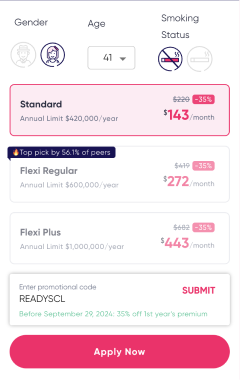
Tiered fracture versus non-fracture benefit limits: Modern accident insurance policies offer tiered sub-limits based on injury severity. For example, Bowtie Touchwood Personal Accident Insurance provides:
Bone fracture injuries: Up to HK$500 per visit, for up to 6 visits per accident (maximum 1 visit per day).
Non-fracture accidental trauma: Up to HK$250 per visit, for up to 4 visits per accident (maximum 1 visit per day).
Annual consultation cap: A shared ceiling of up to 8 visits per policy year across both fracture and non-fracture categories, within an overall annual medical benefit limit of HK$420,000.
Critical policy timeframes:
Treatment window: All eligible physiotherapy treatments must be received within 52 weeks (12 months) of the date of the accident.
Submission deadline: Completed claim forms and original documentation must be submitted to the insurer within the deadline specified in your policy terms (usually within 90 days of concluding treatment).
Filing an accident insurance claim for physiotherapy involves a structured, 4-step timeline from the onset of your injury to receiving your reimbursement.
Step 1: Immediate medical assessment (within 48 to 72 hours): Visit a registered Western medical practitioner or Hospital Authority A&E department promptly after your injury. Secure an official diagnosis, a medical certificate, and a formal written referral letter recommending outpatient physiotherapy before booking rehabilitation.
Step 2: Attend registered physiotherapy: Undergo rehabilitation with a physiotherapist registered with the Physiotherapists Board of Hong Kong. Ensure the clinic receipt details your legal name, consultation date, formal diagnosis, treatment modalities, and the therapist’s official registration number.
Step 3: Compile your complete claim dossier: Assemble all required paperwork before lodging your claim:
Original itemised clinic receipts clearly breaking down treatment charges.
Original doctor’s referral letter for physiotherapy.
Diagnostic imaging reports (such as X-ray or MRI scans confirming fractures or ligament injuries).
Accident incident statement describing the date, time, location, and traumatic mechanism of the injury (accompanied by a police report if related to a traffic incident).
Step 4: Digital submission and settlement: Submit your claim dossier through your insurer’s portal. With digital insurers like Bowtie, policyholders can photograph and upload documentation directly online for rapid processing, receiving reimbursement via direct bank transfer without mailing hard copies for eligible claims.
Double Claim Protocol (Shortfall Claim): If your company group medical scheme pays only a portion of your private physiotherapy invoice, you can claim the remaining balance (the shortfall) under your personal accident plan. Request an official Explanation of Benefits (Settlement Statement) and Certified True Copies of the receipts from your primary insurer, and submit them to your secondary insurer to recover the outstanding balance up to policy limits.
Claims can be delayed or rejected if policyholders overlook policy definitions or procedural conditions precedent. Being aware of these pitfalls protects you against unexpected out-of-pocket costs.
Missing or expired referral letters: Commencing physiotherapy before consulting a Western doctor, attempting to obtain a backdated referral, or presenting a referral letter older than 6 months.
Chronic pain and degenerative wear-and-tear: Claims arising from chronic neck or lower back stiffness, prolonged ergonomic strain, or age-related osteoarthritis without a clear, verifiable accidental impact.
Unregistered clinics and wellness therapies: Incurring expenses for alternative treatments, athletic taping sessions, or sports massages administered by individuals not registered under the Allied Health Professions Ordinance.
Exceeding policy caps: Attending more sessions than allowed per accident (e.g. beyond 4 visits for non-fracture trauma or 8 visits annually in Bowtie Touchwood).
Unitemised invoices: Presenting receipts that bundle consultation fees, equipment surcharges, and therapeutic exercises into an ambiguous lump sum without clinical breakdowns or therapist licence credentials.
Physiotherapy practice and insurance claims in Hong Kong are underpinned by statutory regulations, professional ethical codes, and gazetted public healthcare schedules:
The Physiotherapists Board of Hong Kong (Allied Health Professions Ordinance, Cap. 359): Governs statutory registration, practising certificate standards, and professional codes of practice for registered physiotherapists.
Hospital Authority Outpatient Fees and Charges Schedule: Establishes gazetted public healthcare fees for Eligible Persons, including the 2026 reform rate of HK$250 per attendance for allied health specialist outpatient clinics.
Bowtie Life Insurance Company Limited Policy Provisions: Defines contractual terms, fracture versus non-fracture sub-limits, 52-week treatment windows, and online claim settlement guidelines for Bowtie Touchwood Personal Accident Insurance.
No, personal accident insurance policies in Hong Kong strictly require a written referral letter from a registered Western medical practitioner before you commence physiotherapy. While statutory direct access provisions under the Allied Health Professions Ordinance allow physiotherapists to see certain patients directly under specified clinical guidelines, commercial insurance policies contractually maintain the prior doctor’s referral as a mandatory condition for claim reimbursement.
In Hong Kong, a doctor’s referral letter for physiotherapy is generally valid for 6 months from its date of issuance. The referral letter must state the specific diagnosis and should specify the recommended number of rehabilitation sessions. If you require treatment beyond 6 months or exceed the recommended sessions, you must obtain a fresh referral letter from your doctor.
Yes, specialized treatments like Extracorporeal Shockwave Therapy (ESWT) are eligible for reimbursement under personal accident insurance, provided they are prescribed by a doctor, administered by a registered physiotherapist, and medically necessary to treat an accidental injury. However, private clinics often bill shockwave therapy at premium rates; any clinic surcharge exceeding your policy’s per-visit sub-limit must be covered out-of-pocket.
Yes, you can claim through both under the principle of indemnity. If your company medical insurance covers only part of your private physiotherapy fee, you can request an Explanation of Benefits (Settlement Statement) and Certified True Copy receipts from your corporate insurer, then submit these documents to your personal accident insurer to reimburse the remaining shortfall balance up to your policy limit.
Yes, comprehensive personal accident policies—such as Bowtie Touchwood—cover registered chiropractors and registered Chinese bone-setting (dit da) practitioners alongside registered physiotherapy. These alternative therapies operate under their own specific sub-limits and conditions within the policy schedule.
Yes, you can claim for both therapies within your policy’s respective sub-limits, but each treatment modality must satisfy its own claim requirements. While Chinese bone-setting requires official receipts from a registered Chinese medicine practitioner or bonesetter, switching to physiotherapy requires you to secure a separate written referral letter from a registered Western medical practitioner before beginning your physiotherapy sessions.


© 2026 Bowtie Life Insurance Company Limited. All rights reserved.