Author
Zing Cheung
Updated on
2026-09-07
Working as a fitness professional involves unique physical risks and operational exposures. Whether you are coaching clients in commercial fitness centres, managing outdoor bootcamps, or conducting strength training sessions across Hong Kong, understanding your insurance coverage is essential. The most significant vulnerability facing fitness instructors is that freelance personal trainers operate as independent contractors, leaving them excluded from mandatory statutory compensation schemes. This guide breaks down the essential insurance pillars for Hong Kong trainers, details private medical treatment benchmarks for 2026, explains legal limitations under local ordinances, and demonstrates how to handle accidental injury claims effectively.

Fitness coaches and personal trainers in Hong Kong require a combination of personal accident insurance for self-protection alongside public liability and professional indemnity insurance for third-party protection. Freelance instructors and independent contractors do not receive statutory protection under gym corporate policies or the Employees’ Compensation Ordinance (Cap. 282). Furthermore, signed client liability waivers cannot legally exclude liability for negligence causing personal injury under the Control of Exemption Clauses Ordinance (Cap. 71).
|
Question |
Direct Answer |
Key Consideration |
|---|---|---|
|
Do freelance trainers have statutory gym cover? |
No. Freelance coaches operate under a Contract for Services and are excluded from mandatory gym employee compensation. |
Gym master policies only indemnify direct staff under a Contract of Service. |
|
Is personal injury to the coach covered? |
Yes, under standalone Personal Accident insurance. |
Covers acute injuries, emergency care, MRI/X-ray scans, and allied health treatments like physiotherapy and bone-setting. |
|
Are client injuries covered by coach accident insurance? |
No. Personal accident insurance covers only your own medical bills. |
Protecting against client bodily injury claims requires Public Liability and Professional Indemnity insurance. |
|
Does a signed liability waiver grant legal immunity? |
No. Contractual waivers cannot exclude negligence causing personal injury. |
Under Cap. 71 Section 7, negligence claims for bodily injury remain fully actionable in court. |
|
What action should coaches take? |
Verify your employment status with host gyms and secure standalone accident and liability policies. |
A dedicated policy such as Bowtie TouchWood provides medical reimbursement and income protection without occupational surcharges. |
Navigating fitness coach insurance in Hong Kong requires understanding the boundaries between self-employment, statutory employment rights, and private medical costs. Here are the core facts every personal trainer, yoga instructor, and sports coach must know:
Contract for Services exclusion: Freelance instructors are classified as independent contractors, meaning gyms are not legally mandated under the Employees’ Compensation Ordinance (Cap. 282) to provide work injury compensation.
Statutory limits on waivers: Signing a client waiver does not grant absolute legal protection; under Section 7 of the Control of Exemption Clauses Ordinance (Cap. 71), liability for personal injury or death resulting from negligence cannot be excluded.
2026 private medical cost reality: Diagnosing and treating acute sports injuries (such as meniscus tears or severe sprains) in Hong Kong private clinics frequently exceeds HK$13,000 for specialist consultations, MRI scans, and rehabilitative physiotherapy.
Unified occupational pricing: While conventional insurers impose risk loadings or restrictive exclusions (Class 3 or 4) on sports coaches, Bowtie TouchWood covers more than 700 occupations—including fitness trainers—at standard premium rates.
Dual coverage advantage: Pairing personal accident coverage with the Voluntary Health Insurance Scheme (VHIS) provides comprehensive protection, funding outpatient rehabilitation and emergency imaging while reserving hospitalisation limits for major surgical interventions.
Venue entry compliance: 24-hour fitness franchises (such as 24/7 Fitness or Anytime Fitness) and Leisure and Cultural Services Department (LCSD) public spaces increasingly require freelance instructors to provide proof of third-party public liability cover.
Personal trainers and sports coaches need specialised insurance because their livelihood depends entirely on physical fitness, exposing them to acute biomechanical injuries and immediate financial downtime. When an injury occurs, self-employed trainers face a strict ‘no work, no pay’ scenario alongside steep private medical costs. Dedicated insurance ensures rapid access to private orthopaedic care, diagnostic imaging, and structured rehabilitation without draining personal savings.
High physical demands and acute occupational hazards: Spotting heavy barbell lifts, demonstrating explosive movements, and catching off-balance clients place sudden, severe stress on ligaments and joints. Common traumatic injuries include lumbar disc herniations, wrist sprains, and knee meniscus tears.
Vulnerability of freelance income: Independent personal trainers lack paid sick leave, annual leave, or corporate medical benefits. If an injury sidelines a trainer for four to six weeks, session revenue drops to zero while regular living expenses continue.
2026 Hong Kong private medical costs benchmark:
Orthopaedic specialist consultation: HK$1,000 to HK$2,000 per consultation
Diagnostic MRI scans (knee or wrist): HK$5,000 to HK$8,500 per region at private imaging centres
Musculoskeletal physiotherapy: HK$800 to HK$1,500 per session
Registered Chinese bone-setting (跌打): HK$400 to HK$800 per attendance
Surgical ligament reconstruction (inpatient): HK$80,000 to HK$150,000+ in private hospitals
Career longevity and rapid recovery: Protracted public hospital waitlists for non-emergency MRI investigations can exceed several months. Having adequate accident coverage allows trainers to access prompt private diagnostic investigations and early allied health intervention, accelerating safe return to coaching.
Freelance personal trainers are almost never covered by gym insurance policies in Hong Kong because statutory employer protection applies strictly to direct employees. Under the Employees’ Compensation Ordinance (Cap. 282), commercial gyms are only obligated to purchase labour insurance for staff engaged under a Contract of Service. Independent freelance instructors operating under a Contract for Services bear full legal and financial responsibility for their own medical costs and occupational liabilities.
|
Feature / Legal Right |
Full-Time Gym Employee (Contract of Service) |
Freelance Trainer / Independent Contractor (Contract for Services) |
|---|---|---|
|
Statutory Work Injury Protection |
Mandatory cover under Cap. 282 (medical expenses, periodic payments, permanent incapacity). |
None. Excluded from Cap. 282 statutory compensation. |
|
Host Gym Master Policy |
Fully covered under the employer’s Employees’ Compensation Insurance. |
Excluded. Host gym commercial policies protect only venue and direct staff. |
|
Paid Medical & Sick Leave |
Statutory sick leave allowance (four-fifths of average daily wages) under Employment Ordinance (Cap. 57). |
No paid sick leave; operates under strict ‘no work, no pay’. |
|
Vicarious Liability for Negligence |
Gym is generally vicariously liable for employee acts performed within the scope of work. |
Freelancer is personally liable for client injuries or property damage caused by their coaching. |
|
Medical Expenses Reimbursement |
Statutory medical expenses reimbursed by employer’s insurer up to statutory daily rates. |
100% out-of-pocket unless the trainer holds private personal accident insurance. |
The surge of 24-hour shared fitness chains (such as 24/7 Fitness and Anytime Fitness) and private clubhouse facilities has transformed the freelance coaching landscape. These facilities operate strictly as venue providers, offering access via membership or freelance entry fees. Their commercial property and general liability policies protect the venue against structural defects and direct employee actions; they explicitly disclaim responsibility for injuries sustained by freelance trainers or their private clients. Hong Kong courts assess genuine employment status using established legal tests—evaluating degree of control, provision of equipment, financial risk, and integration into the business. For the overwhelming majority of freelance trainers, the legal reality is clear: you are an independent business entity required to maintain your own safety net.
A comprehensive protection framework for fitness instructors in Hong Kong comprises three distinct insurance types: Personal Accident, Public Liability, and Professional Indemnity. While personal accident insurance reimburses the coach’s own medical bills and lost earnings, public liability covers third-party bodily injury and facility property damage, and professional indemnity defends against allegations of negligent instruction.
|
Insurance Type |
Protected Beneficiary |
Trigger Event & Coverage Scope |
Common Gym Scenario in Hong Kong |
|---|---|---|---|
|
Personal Accident Insurance |
The sports coach / trainer |
Coach sustains an acute physical injury; covers emergency care, specialist fees, diagnostic imaging, and allied rehabilitation. |
A coach tears a wrist ligament while spotting a client failing a heavy bench press. |
|
Public Liability Insurance |
Third parties (clients, gym members, venue operators) |
Third-party bodily injury or third-party property damage arising from training operations or venue use. |
A client trips over an untidy kettlebell, or a dropped dumbbell cracks the gym’s mirror wall. |
|
Professional Indemnity Insurance |
The sports coach / trainer |
Financial loss or legal defence costs arising from claims of professional negligence, improper instruction, or poor exercise prescription. |
A client sues the coach, claiming an assigned high-intensity deadlift routine aggravated a pre-existing spinal condition. |
Personal accident insurance is designed to protect your physical body and income if you suffer an unexpected trauma while coaching clients, demonstrating exercises, or undertaking your own strength conditioning.
Medical expense reimbursement: Reimburses consultations with registered Western medical practitioners, emergency room attendances, and diagnostic imaging examinations such as X-rays and MRI scans.
Allied healthcare & complementary therapies: Covers essential rehabilitative care, including registered physiotherapists, chiropractors, and registered Chinese medicine bone-setting (跌打).
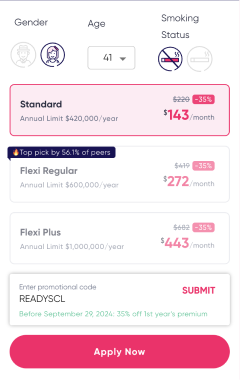
Bowtie TouchWood specifications: Offers up to HK$420,000 annual actual medical expenses limit, providing outpatient consultation and medication reimbursement up to HK$580 per visit (annual limit HK$5,000). Prescribed diagnostic imaging tests (MRI, CT, X-ray) are reimbursed at 70% (with a 30% co-insurance, subject to an annual limit of HK$20,000). For allied health, non-fracture sprains and strains are covered up to HK$250 per visit (capped at 4 visits per accident), while bone fractures are covered up to HK$500 per visit (capped at 6 visits per accident), subject to an annual allied health limit of HK$3,000.
Standard occupational pricing: Bowtie TouchWood covers more than 700 occupations—including personal trainers and fitness coaches—at unified standard premium rates without charging occupational risk loadings.
Income replacement protection: Provides financial support through Temporary Total Disablement (TTD) weekly allowances when an attending doctor certifies that the coach is medically unfit to conduct training.
While personal accident coverage looks after your own physical wellbeing, public liability and professional indemnity insurance protect your business against third-party financial and legal claims.
Public liability insurance covers legal defence costs and court-awarded damages if a third party suffers bodily injury or property damage on the premises during your session. For example, if a client accidentally drops a heavy dumbbell on gym floor tiles or a member of the public trips over resistance bands you set up, public liability responds to those property damage or injury claims. Professional indemnity insurance protects against allegations of professional negligence, such as a client claiming your exercise prescription or biomechanical correction directly caused chronic spinal damage.
Personal trainers frequently rely on Physical Activity Readiness Questionnaires (PAR-Q) and liability waivers signed by clients. However, under Section 7 of the Control of Exemption Clauses Ordinance (Cap. 71), any contract term or notice that purports to exclude or restrict liability for death or personal injury resulting from negligence is rendered legally void. If a court finds that a coach failed in their duty of care, a signed waiver offers no immunity, making professional liability protection indispensable.
Outdoor training in Leisure and Cultural Services Department (LCSD) public parks (such as Victoria Park or Sun Yat Sen Memorial Park) or harbourfront promenades carries distinct exposure. If a passerby is injured by loose equipment during a bootcamp drill, the trainer is directly exposed to third-party public liability claims. Commercial facilities and clubhouses across Hong Kong increasingly demand proof of public liability insurance before permitting freelance trainers onto their premises.
Before purchasing sports coach insurance in Hong Kong, fitness professionals must evaluate four critical policy dimensions: occupational risk classification, referral prerequisites for allied healthcare, the distinction between acute accidents and chronic wear-and-tear, and dual-policy coordination with medical insurance. Ensuring your specific training modalities are fully covered prevents unexpected claim denials.
|
Coaching Modality / Occupation |
Typical Insurer Risk Class |
Coverage Challenges in Traditional Market |
What to Verify Before Buying |
|---|---|---|---|
|
Personal Trainer / Strength Coach |
Class 1 or 2 |
Surcharges for heavy weight handling; sub-limits on physiotherapy. |
Check if the insurer charges standard rates (e.g. Bowtie TouchWood covers PTs under standard pricing) and check non-fracture physio caps. |
|
Yoga / Pilates Instructor |
Class 1 |
Generally standard, but chiropractic and osteopathic coverage limits vary. |
Confirm whether registered chiropractic care requires a prior Western doctor’s referral letter. |
|
Combat Sports / Muay Thai Coach |
Class 3 or 4 |
Frequent sparring and contact sport exclusions; premium loadings up to 50%–100%. |
Check whether sparring drills and martial arts demonstrations are explicitly excluded as high-risk activities. |
|
Outdoor Bootcamp / Aquatic Coach |
Class 2 or 3 |
Public park venue liabilities and water-sports exclusions. |
Ensure coverage applies outdoors across Hong Kong without location-specific restrictions. |
Accident definition vs. chronic wear-and-tear: An accidental injury must be sudden, unforeseen, and caused by external violent means. Degenerative joint issues, chronic patellar tendonitis from years of squatting, or cumulative muscle fatigue are excluded. Claims must link to a specific traumatic incident (e.g. an unexpected barbell slip or ankle twist).
Allied health referral guidelines: The Physiotherapists Board of Hong Kong enforces professional codes regarding clinical practice. While recent legislative developments facilitate expanded direct access under recognised protocols, insurance reimbursement terms generally require an upfront written referral from a registered Western medical practitioner (typically valid for 6 months). By contrast, registered Chinese bone-setting (跌打) consultations under modern digital policies such as Bowtie TouchWood can often be claimed directly without requiring a Western medical referral letter.
For severe athletic trauma—such as an anterior cruciate ligament (ACL) rupture or complex meniscus tear requiring surgical reconstruction—combining Voluntary Health Insurance Scheme (VHIS) cover with a Personal Accident policy creates a complete safety net. A disciplined two-layer claims approach ensures private hospital surgical costs and outpatient rehabilitation are fully funded without exhausting individual policy sub-limits.
Inpatient Surgical Layer (VHIS as Primary): When an acute injury necessitates inpatient hospitalisation, day surgery, or specialist orthopaedic repair, submit the primary claim to your VHIS policy. VHIS absorbs the substantial costs of private hospital room and board, surgical fees, anaesthetist fees, and operating theatre charges.
Obtain Certified True Copies: Request certified true copies of all original hospital invoices, diagnostic imaging discs, and settlement vouchers from your VHIS insurer upon claims finalisation.
Outpatient & Allied Health Layer (Personal Accident as Secondary): Submit the certified settlement documents and out-of-pocket receipts to your Personal Accident insurer. Personal accident coverage reimburses remaining deductibles, co-insurance, emergency room fees, and subsequent outpatient physiotherapy or Chinese bone-setting sessions.
Income Stabilisation: If the surgery results in medically certified incapacity, activate the Temporary Total Disablement (TTD) benefit under your accident policy to receive weekly cash allowances while your joint rehabilitates.
Filing a personal accident insurance claim in Hong Kong requires swift medical attention, meticulous document collection, and strict adherence to insurer notification timelines. Personal trainers should record the exact circumstances of the incident immediately, obtain registered medical practitioner documentation, and submit digital claims within the policy deadline—typically within 30 to 90 days of the injury.
Seek immediate medical consultation: Visit a registered Western medical practitioner or emergency department immediately following the incident. Clearly report the trauma mechanism (e.g. ‘wrist hyper-extended while spotting a 100 kg bench press’) so the clinical notes record a verifiable accident.
Secure allied health referral letters: If rehabilitation is necessary, ensure your attending Western doctor issues a written referral for physiotherapy before you attend your first therapy session.
Retain itemised receipts and clinical records: Keep all original breakdown receipts, diagnostic imaging reports (MRI, X-ray), and formal medical certificates stating the diagnosis.
Submit via digital portal: Complete the claim submission through your insurer’s online platform within the mandatory filing window (usually 30 to 90 days), attaching clear digital scans of all supporting records.
|
Document |
Purpose in Claims Assessment |
Issuing Authority |
Critical Pitfall to Avoid |
|---|---|---|---|
|
Original itemised receipts |
Substantiates exact treatment expenditures and service breakdown. |
Registered clinic or private hospital |
Submitting generic credit card slips without medical itemisation. |
|
Doctor’s referral letter |
Validates medical necessity for allied healthcare (physiotherapy). |
Registered Western medical practitioner |
Referral dated after the physiotherapy session has already taken place. |
|
Diagnostic imaging reports |
Clinically proves structural damage (e.g. ligament tear, fracture). |
Private imaging centre or hospital |
Providing only the image disc without the radiologist’s formal written report. |
|
Sick leave / unfit-for-work certificate |
Establishes medical duration for Temporary Total Disablement claims. |
Attending registered doctor |
Certificates that state ‘unfit for heavy lifting’ instead of certifying total incapacity to conduct coaching. |
To illustrate how an accident claim operates under actual 2026 private medical fee schedules in Hong Kong, consider the case of a 31-year-old freelance personal trainer who sustains an acute wrist ligament sprain and knee meniscus strain while spotting a client. The breakdown below demonstrates the realistic settlement under Bowtie TouchWood, reflecting its specific outpatient, diagnostic imaging, and non-fracture physiotherapy sub-limits.
|
Treatment Item |
2026 Private Medical Cost (HKD) |
Bowtie TouchWood Policy Benefit Terms |
Insurance Payout (HKD) |
Trainer’s Net Out-of-Pocket (HKD) |
|---|---|---|---|---|
|
Emergency Orthopaedic Specialist Consultation |
$1,500 |
Reimbursed up to sub-limit of $580 per visit for outpatient consultation and medication (annual limit $5,000). |
$580 |
$920 |
|
Knee & Wrist MRI Diagnostic Scans |
$6,500 |
Prescribed diagnostic imaging reimbursed at 70% (30% co-insurance applies; annual limit $20,000). |
$4,550 |
$1,950 (30% co-insurance) |
|
Sports Physiotherapy (5 Sessions) |
$5,000 ($1,000 x 5 sessions) |
Non-fracture sprains/strains capped at 4 visits per accident, reimbursed up to $250 per visit (annual allied health limit $3,000). |
$1,000 ($250 x 4 sessions) |
$4,000 ($750 balance x 4 + $1,000 5th session) |
|
Total Figures |
$13,000 |
Comprehensive Accident Protection |
$6,130 |
$6,870 |
In this realistic clinical scenario, the trainer’s gross private medical bill of HK$13,000 is offset by an insurance settlement of HK$6,130, absorbing nearly half of the upfront expense and significantly cushioning financial distress. Key policy mechanics illustrated in this breakdown include:
Outpatient Consultation Sub-limit: The specialist fee of HK$1,500 is reimbursed up to the policy cap of HK$580 per visit, leaving an out-of-pocket balance of HK$920.
Diagnostic Imaging Co-insurance: The HK$6,500 knee and wrist MRI scans are reimbursed at 70% under prescribed diagnostic imaging benefits (HK$4,550 payout), with the trainer responsible for the 30% co-insurance payment (HK$1,950).
Allied Health Non-fracture Cap: For soft-tissue sprains and meniscus strains without bone fracture, Bowtie TouchWood reimburses up to HK$250 per visit for a maximum of 4 visits per accident (HK$1,000 payout). The higher HK$500 per visit allowance applies specifically to confirmed bone fractures (up to 6 visits).
Income Protection Bridge: If the orthopaedic specialist certifies that the trainer is temporarily totally disabled from conducting physical coaching for two weeks, an accompanying Temporary Total Disablement (TTD) claim provides weekly cash relief, directly offsetting lost session revenue while the trainer recuperates.
While personal trainers operating as sole proprietors or freelance contractors are not legally compelled by Hong Kong statute to purchase insurance, holding public liability insurance is an unavoidable commercial requirement. Premier 24/7 fitness chains, boutique training studios, and private residential clubhouses across Hong Kong mandate proof of third-party public liability cover before granting freelance coaches entry to train clients on their premises. Moreover, operating without standalone personal accident insurance leaves freelance coaches entirely self-funded in the event of an occupational injury.
No, a signed liability waiver does not grant absolute legal protection against bodily injury claims under Hong Kong law. Under Section 7 of the Control of Exemption Clauses Ordinance (Cap. 71), any contract term or notice that purports to exclude or restrict liability for personal injury or death resulting from negligence is rendered legally void and unenforceable. While a waiver or Physical Activity Readiness Questionnaire (PAR-Q) confirms the client’s voluntary assumption of ordinary exercise risks, it offers zero immunity if a court determines that an injury resulted from your negligent coaching instruction, excessive loading, or inadequate supervision.
Yes, a personal accident insurance policy covers injuries sustained during both personal fitness workouts and professional client coaching sessions. As long as your injury results from an unexpected, violent, and external accident—and the activity is not explicitly listed under policy general exclusions—your emergency medical consultations, diagnostic imaging, and allied health treatments will be eligible for reimbursement. Coaches should note that high-risk extreme sports, professional competitive tournament fighting, and motor racing are typically excluded unless specialised riders are purchased.
Yes, you can coordinate both Bowtie TouchWood Accident Insurance and a Voluntary Health Insurance Scheme (VHIS) policy to claim for the same sports injury using a two-tier reimbursement process. For severe trauma requiring surgical repair or hospitalisation (such as an ACL tear or tendon rupture), submit the primary hospital and surgical bills to your VHIS plan first. Once settled, request certified true copies of all receipts and the settlement voucher from your VHIS insurer, then submit them to Bowtie TouchWood to reimburse remaining deductibles, co-insurance fees, and subsequent outpatient physiotherapy or Chinese bone-setting.
Reimbursement rules depend on the specific allied healthcare modality. For physiotherapy, Hong Kong insurers—including Bowtie TouchWood—require an initial written referral from a registered Western medical practitioner, which is typically valid for 6 months from issuance. For registered Chinese medicine bone-setting (跌打) and acupuncture, Bowtie TouchWood allows direct claim submissions accompanied by official clinic receipts, without requiring a Western medical referral letter. Always verify that your practitioner is officially registered with the relevant statutory council in Hong Kong.
Yes, personal accident insurance protects you against accidental injuries sustained anywhere in Hong Kong, including outdoor bootcamps conducted in Leisure and Cultural Services Department (LCSD) public parks, promenades, hiking trails, or public beaches. However, personal accident cover only indemnifies your own bodily injuries. If you conduct group fitness sessions in public open spaces, you should also carry third-party public liability insurance to protect against legal claims if a park user or client trips over fitness equipment or sustains an injury on public land.
The Temporary Total Disablement (TTD) benefit provides a crucial income safety net for freelance trainers who operate under a ‘no work, no pay’ reality. If an acute accident renders you completely unable to carry out your coaching duties, and an attending registered medical practitioner certifies this total incapacity on a medical certificate (sick leave certificate), your personal accident policy pays a continuous weekly cash allowance. This benefit bridges the income shortfall during your recovery period, helping cover essential living expenses while your joints or muscles heal.
If a client sustains an injury during your session, your personal accident insurance policy will not provide any coverage for their medical expenses or legal compensation, as it is designed solely for your own bodily protection. Any claims, demands, or negligence lawsuits initiated by an injured client must be handled by Public Liability Insurance or Professional Indemnity Insurance. These business liability policies fund your legal defence costs, court fees, and any court-ordered settlements or damages awarded to the injured client.


© 2026 Bowtie Life Insurance Company Limited. All rights reserved.