Does Accident Insurance Cover Professional Athletes in Hong Kong?
Discover whether accident insurance covers professional athletes in Hong Kong. Learn how insurers classify sports risks, key PTD and TTD benefits, and exclusions.
Professional athletes operate in a demanding environment where bodily peak performance directly drives contractual livelihood. Unlike recreational enthusiasts, full-time athletes face persistent physical strain, acute trauma risks, and structural wear that can interrupt match earnings or prematurely truncate an athletic career. Securing robust accident and medical protection is therefore a fundamental commercial safeguard.

Understanding Accident Insurance for Professional Athletes in Hong Kong
Professional athletes face a distinctive risk landscape characterised by high-impact collisions, intense training loads, and rapid directional shifts that elevate the probability of severe trauma such as ligament tears, fractures, and concussions. In Hong Kong, standard retail personal accident policies are structured for the general public and typically decline or exclude salaried professional competitors from standard occupational classes. Consequently, professional athletes must rely on specialised sports accident and disability coverage to safeguard contractual income and manage out-of-pocket medical expenditures.
For a full-time competitor, physical capability serves as the primary revenue-generating asset. Sustaining an unexpected meniscus tear or ruptured Achilles tendon does not merely incur immediate hospital and surgeon charges; it threatens appearance fees, tournament prize purses, and commercial endorsements. Standard employment arrangements in professional sports rarely provide indefinite sick pay, creating a vital need for dedicated accidental disability instruments that protect against both temporary match absence and permanent career termination.
Dedicated athletic accident policies provide a multi-layered financial safety net. By reimbursing private orthopaedic surgical interventions, diagnostic magnetic resonance imaging (MRI), and ongoing physical rehabilitation, these policies facilitate accelerated medical access so that athletes can regain competitive form without relying on prolonged public healthcare waiting queues.
Amateur vs Professional Athletes: How Hong Kong Insurers Classify Risk
Insurers in Hong Kong distinguish amateur sports participants from professional athletes based on financial remuneration, contractual obligations, and competitive tier rather than athletic technique alone. While recreational participants engage in sport for leisure and qualify easily for consumer personal accident plans, individuals receiving salaries, prize money, or appearance fees are categorised under high-hazard occupational classes that standard consumer policies exclude.
To establish fair underwriting pools, retail insurers evaluate the proportion of income derived from athletic activity. Sports coaches, personal trainers, and fitness instructors occupy an intermediate tier: because their duties focus on instruction rather than competitive match collision, retail accident plans such as Bowtie Touch Wood accept them across established occupational classes (which span over 700 occupations), provided they do not participate in salaried league competitions.
The following table outlines the underwriting distinctions applied by Hong Kong insurers across different sports classifications:
|
Classification |
Remuneration & Contractual Status |
Occupational Risk Tier |
Retail Accident Policy Eligibility |
Primary Insurance Mechanism |
|
Amateur Athlete |
Unpaid; competes for fitness, leisure, or unpaid community leagues |
Class 1 or Class 2 (Low to moderate retail risk) |
Fully eligible for standard retail personal accident policies |
Consumer Personal Accident Insurance |
|
Sports Coach / Fitness Instructor |
Salaried or freelance instructional income; instructional duties without competitive prize stakes |
Class 2 or Class 3 (Designated instructor occupational class) |
Eligible under retail policies covering coaching occupations |
Retail Personal Accident Insurance (e.g. Bowtie Touch Wood) |
|
Professional Athlete |
Salaried sports employment contracts, prize money, or commercial match appearance fees |
High-hazard sports occupation (Excluded from consumer pools) |
Strictly excluded under retail personal accident plans |
Specialist Sports Disability & Accident Syndication |
Essential Coverage Components in Professional Sports Accident Policies
Specialised sports accident and disability contracts bridge the coverage gaps created by standard retail exclusions, delivering capital sums and income protection tailored to competitive sports careers. These specialised policies address both the immediate surgical costs of acute sports trauma and the broader financial fallout of career-threatening injuries.
- Permanent Total Disablement (PTD): Delivers a lump-sum capital benefit if an athlete suffers catastrophic, irrecoverable bodily trauma that permanently ends their professional sporting career. Under bespoke athletic wording, disablement is assessed against the athlete’s specific sports occupation rather than generic employment capacity.
- Temporary Total Disablement (TTD): Supplies ongoing weekly or monthly income replacement while an injured athlete undergoes surgical recovery and rehabilitation, offsetting lost match bonuses and contract stipends during enforced absence from training.
- Accidental Death and Dismemberment (AD&D): Grants contractual lump-sum payments to designated beneficiaries or the insured athlete in the tragic event of fatal sports accidents or the irreversible loss of limbs, eyesight, or speech.
- Specialist Medical Expenses Reimbursement: Covers the actual clinical charges for acute surgical operations, private orthopaedic specialist consultations, and intensive post-operative rehabilitation without restrictive sub-limits.
Common Exclusions and Policy Limitations in Sports Accident Insurance
Sports accident insurance policies incorporate rigorous policy exclusions designed to maintain actuarial sustainability and define the scope of accidental trauma. Understanding these limitations is critical for athletes and sports organisations seeking to prevent claim rejections following an injury.
- Professional Competition Exclusion in Retail Policies: Standard consumer personal accident contracts (such as general offerings from B Company or M Company) explicitly exclude accidental injuries sustained whilst taking part in professional sports, competitive motor racing, or any contest involving cash prizes.
- Extreme and Hazardous Pursuits: High-risk athletic pursuits, including professional motorsport, high-altitude mountaineering above stipulated elevations, and uncertified deep-sea diving, remain excluded unless endorsed by a specific underwriting rider.
- Pre-Existing Pathology and Chronic Overuse: Coverage applies strictly to unexpected, acute external accidents. Chronic conditions resulting from repetitive micro-trauma—such as patellar tendinopathy, stress fractures, degenerative joint disease, or overuse tears originating prior to policy inception—are standard exclusions.
- Non-Compliance with Safety Standards: Claims may be repudiated if an injury occurs while disregarding safety directives issued by sporting governing bodies, competing without mandatory protective gear, or testing positive for banned substances or alcohol.
Case Study & Treatment Costs: Out-of-Pocket Expenses for Acute Sports Injuries
Sustaining an acute sports injury in Hong Kong carries substantial financial consequences when seeking prompt treatment in the private healthcare sector, where surgical packages, diagnostic imaging, and post-operative physical therapy quickly reach tens of thousands of Hong Kong dollars. Accessing private surgical care allows injured athletes to bypass lengthy public hospital waiting lists and preserve functional joint mobility, yet out-of-pocket expenses accumulate rapidly without proper insurance coverage.
In Hong Kong private medicine, initial emergency or specialist orthopaedic consultations typically cost between HK$1,000 and HK$2,500. Advanced diagnostic imaging, such as a plain knee MRI scan, published by private hospitals such as Matilda International Hospital, costs HK$6,930. Furthermore, private day-case surgical procedures for joint arthroscopy and meniscal repair—such as the day procedure package published by CUHK Medical Centre—carry fixed package fees of HK$62,370, while post-operative physiotherapy sessions generally range between HK$800 and HK$1,500 per session across private outpatient facilities.
To demonstrate how these expenses accumulate in practice, consider the following illustrative example of an athlete suffering an acute meniscus tear requiring day-case arthroscopic intervention and subsequent rehabilitation in a Hong Kong private hospital setting:
|
Treatment Phase |
Clinical Service / Procedure |
Benchmark Provider / Schedule |
Illustrative Out-of-Pocket Cost (HK$) |
|
Diagnostic Phase |
Initial Orthopaedic Specialist Consultation |
Matilda International Hospital |
HK$2,500 |
|
Diagnostic Imaging |
Plain Knee Magnetic Resonance Imaging (MRI) |
Matilda International Hospital |
HK$6,930 |
|
Surgical Intervention |
Day-Case Knee Arthroscopy & Meniscectomy Package |
CUHK Medical Centre |
HK$62,370 |
|
Rehabilitation Phase |
Post-Operative Physiotherapy (5 sessions @ HK$1,000) |
Private Clinic / Hospital Benchmark |
HK$5,000 |
|
Total Expenditure |
Comprehensive Acute Treatment & Rehabilitation |
— |
HK$76,800 |
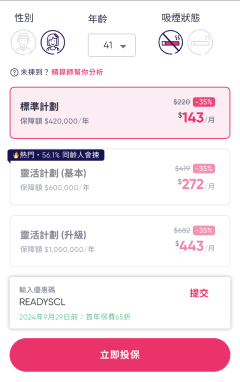
For eligible sports coaches, fitness instructors, and amateur athletes, an accident medical reimbursement policy (such as Bowtie Touch Wood, providing an annual benefit limit of up to HK$420,000) reimburses eligible inpatient and outpatient treatment expenses without deductibles. Full-time professional competitors rely on their specialised sports accident policies to absorb these surgical and rehabilitation outlays.
Accident Insurance vs VHIS: What Athletic Professionals Need to Know
Accident insurance and Voluntary Health Insurance Scheme (VHIS) plans serve distinctly different, complementary roles when managing athletic injuries in Hong Kong. While VHIS is designed to absorb high inpatient hospital bills and day-case surgical charges irrespective of whether the cause is trauma or illness, accident insurance provides dedicated cover for outpatient emergency care, non-surgical therapies, and accidental loss of income without requiring hospital admission.
VHIS certified plans excel at reimbursing major hospital stays, operating theatre fees, and prescribed advanced diagnostic imaging tests such as MRIs and CT scans under certified policy schedules. However, VHIS plans generally limit outpatient allied health coverage, often restricting physiotherapy strictly to consultations occurring within a narrow pre- and post-hospitalisation timeframe, while excluding routine Chinese bone-setting (dit da) entirely.
In contrast, accident insurance delivers flexible outpatient coverage, reimbursing day-to-day bone-setting, chiropractic adjustments, and physical therapy sessions resulting from an acute accident, even when hospital admission is unnecessary. Under the insurance regulatory framework governed by the Insurance Authority, claimants coordinating multiple policies must observe the Indemnity Principle.
Under this principle, an insured person cannot claim reimbursement exceeding 100% of their actual medical bills. However, policyholders can coordinate benefits efficiently: using a VHIS policy to settle primary hospital surgical charges and submitting any out-of-pocket shortfalls, deductibles, or outpatient physiotherapy expenses to their personal accident policy.
Frequently Asked Questions
Standard consumer personal accident policies in Hong Kong generally exclude salaried professional athletes due to their high occupational exposure to sports trauma. Full-time athletes receiving match salaries or prize money must obtain bespoke sports accident and disability coverage tailored to professional sporting risks.
No. Sports coaches, fitness trainers, and yoga instructors are assessed under instructional occupational classes rather than professional athlete categories. They are eligible for standard personal accident plans, provided their paid duties do not involve competing as salaried professional athletes in prize-bearing tournaments.
TTD provides temporary periodic income replacement while an athlete is temporarily unable to participate in training or matches due to an injury. PTD provides a lump-sum capital payout if an acute sports accident permanently and irreversibly ends the athlete’s professional sporting career.
Yes. Accident medical reimbursement policies cover outpatient physiotherapy and registered Chinese bone-setting (dit da) resulting from an acute accidental trauma, up to specified policy sub-limits. A written referral letter from a registered Western medical practitioner is generally required for physiotherapy claims.
Yes, provided the total reimbursement does not exceed 100% of the actual medical costs under the indemnity principle. An athlete can claim inpatient surgical and hospital room charges through VHIS, and utilise an accident policy to cover out-of-pocket shortfalls and outpatient physiotherapy.
Sources
